Dr Juliana Maynard, Head of Translational Imaging at Medicines Discovery Catapult (MDC) and Director of Operations and Engagement for the National PET Imaging Platform, and Dr Prakash Manoharan, Consultant Radiologist and Nuclear Medicine Physician at The Christie NHS Foundation Trust.
This is the second in a series of radiopharmaceutical blogs from Dr Juliana Maynard.
March 2026
Preclinical data are essential for decision‑making in radiopharmaceutical development, and all stakeholders require a robust evidence base. However, each stakeholder brings a slightly different lens to both designing studies and interpreting the resulting evidence.
Investors may focus first on datasets that reduce commercial risk, while regulators will prioritise demonstrations of safety, quality, and compliance. Clinicians, meanwhile, ask more patient-centric questions: Will this help my patients, and how can I use it safely and predictably?
While all of these data will ultimately matter to all stakeholders, bringing the clinical perspective in early helps ensure the design of clinical studies and the data generated will support not just regulatory progress and investment, but also real‑world adoption and patient benefit.
To gain real-world confidence, clinicians look for several things in a radiopharmaceutical data package.
Clinicians care deeply about biodistribution, but what they want to know from early development is simple: Which organs are exposed, for how long, and with what consequence to the patient?
Clear, well-presented preclinical data that highlight radiopharmaceutical uptake in dose-limiting organs (bone marrow, kidneys, liver, salivary glands) matter far more than dense tables or exploratory imaging panels. Clinicians are focused on real-world use. They are thinking about which patients should get the treatment and how to safely monitor them, rather than diving into detailed scientific mechanisms. Ultimately, this clarity will lead to safer decisions at the bedside and better patient outcomes.
Clinicians rarely focus on how sophisticated the models are or how many were used in preclinical studies. What they really want to understand is how the data generated are relevant to humans.
They will be looking for data that shows:
Ultimately, when clinicians have this level of clarity and confidence, they can optimise clinical study design and make safer, timelier decisions, helping ensure patients receive treatments that are both effective and aligned with their individual risk profiles.
Clinicians do not expect preclinical data to fully eliminate risk. They expect them to define the risk envelope, or the range of conditions where a treatment can be used safely and predictably.
For this, they need to know:
Preclinical packages that clearly answer these questions are far more useful to clinicians than broad toxicology screens without context. They give clinicians the confidence to choose and apply radiopharmaceutical treatments that maximise patient safety.
Clinicians have to explain and defend the doses they give, not just to patients, but also to ethics committees and regulators. Preclinical data that establish a safe starting dose, a clear plan for dose escalation, and a defined safety margin are essential in helping them feel confident using the new radiopharmaceutical treatment.
This is why early dosimetry is so important. Regulators such as the FDA expect an understanding of absorbed dose to inform first-in-human studies, but clinicians need it to make the right decisions at the bedside, ensuring each patient receives a dose that is both effective and aligned with their individual safety needs.
“As clinicians, we are constantly balancing innovation with safety. High‑quality, clinically oriented preclinical data allow us to design smarter early‑phase studies, anticipate potential safety challenges, and offer patients access to promising treatments sooner. For me, this level of clarity is what turns a radiopharmaceutical from concept into a therapy I can responsibly and confidently champion in the clinic.”
Dr Prakash Manoharan, Consultant Radiologist and Nuclear Medicine Physician at The Christie NHS Foundation Trust
Radiopharmaceutical development succeeds when stakeholder risk is minimised, and clinicians feel that risk acutely because it directly influences the safety and wellbeing of the patients they care for. They are pragmatic by necessity: they don’t look to preclinical data for elegance or novelty, but for the reassurance that a treatment will behave predictably in people who need it.
The most effective radiopharmaceutical preclinical packages reflect this. They emphasise clarity over volume, translation over novelty, and decision-support over demonstration. They show not just what a radiopharmaceutical does in controlled models, but how confidently those data can guide safe, effective use in patients.
When preclinical programmes are designed with clinician needs in mind from the start, the data do more than just unlock progress; they build the confidence required for adoption, advocacy, and ultimately, meaningful patient impact.
Capturing the perspectives of all stakeholders is essential to building a robust radiopharmaceutical preclinical data package. But anchoring that in what clinicians truly need ensures the data are not only scientifically strong but clinically believable and far more likely to translate into treatments that reach patients safely.
Our experts are here to support your radiopharmaceutical journey from concept to clinic.
Speak to us to see how we can help advance your drug discovery project.
Find out more about how we can help


This is the first in a series of radiopharmaceutical blogs from Dr Juliana Maynard. Juliana is an expert imaging scientist with over 20 years’ experience in nuclear medicine and translational imaging.
In this blog, Dr Phil Auckland details how MDC has established a reproducible CRISPR-Cas9 pipeline and generated new tools to better inform nanotherapeutic design
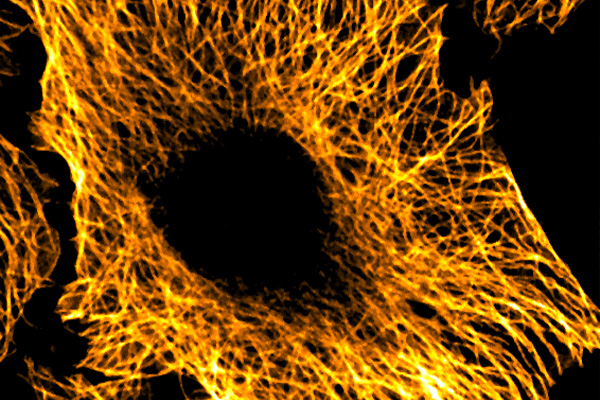
Nanotherapeutics often fail because of Endosomal entrapment. In this blog by Dr Phil Auckland, we explore how MDC are using real-time imaging to reveal why.