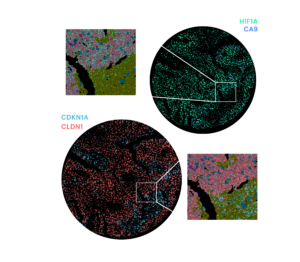
Below is a head and neck tumour core from a larger study with the Manchester Cancer Research Centre exploring the effect of hypoxia on the tumour microenvironment, using the 10x Genomics Xenium platform.
September 2026
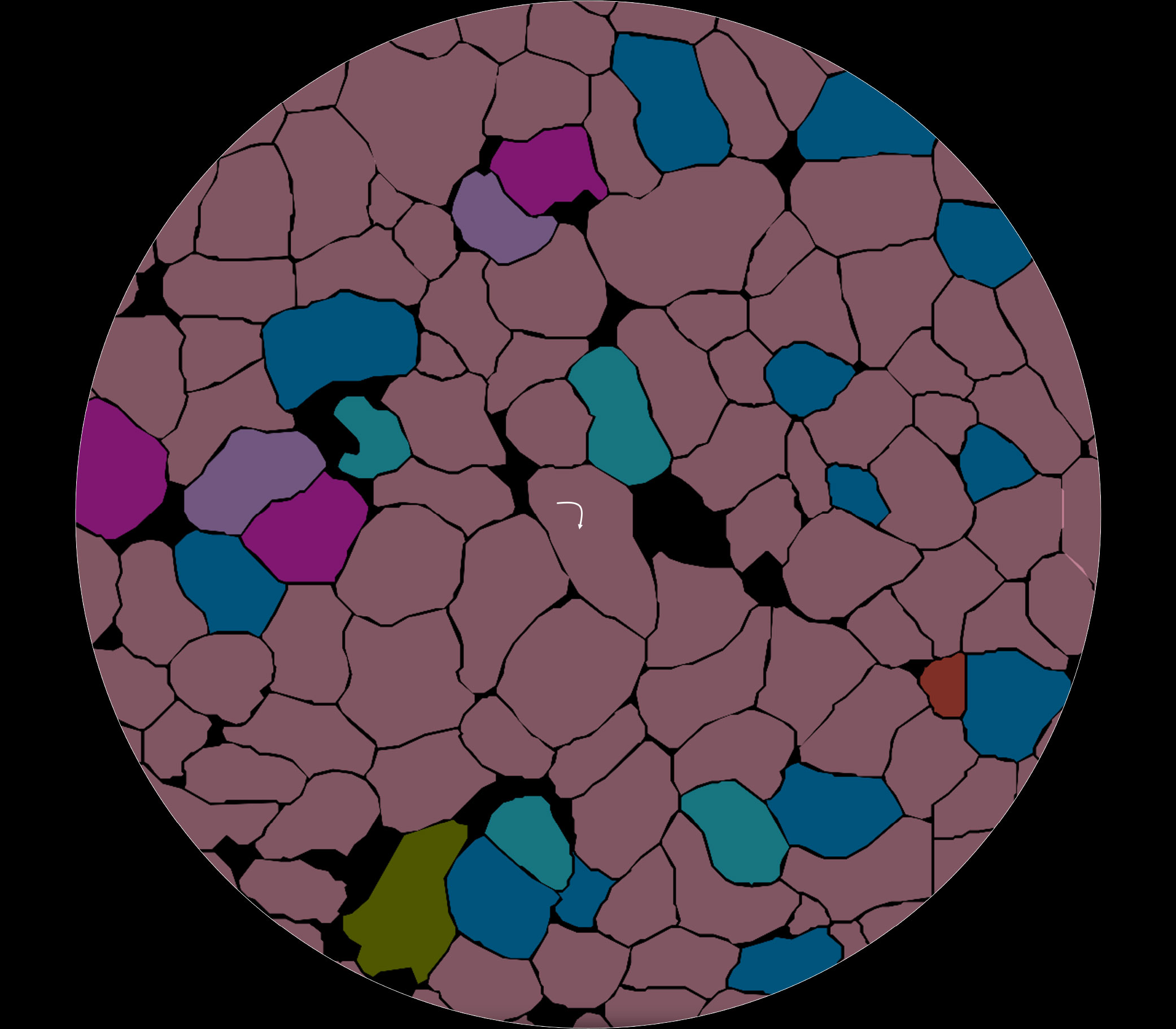
At Medicines Discovery Catapult, we can map single-cell spatial transcriptomics for up to 5,000 targets in standard FFPE tissue.
Below is a head and neck tumour core from a larger study with the Manchester Cancer Research Centre exploring the effect of hypoxia on the tumour microenvironment. Using the 10x Genomics Xenium platform, we mapped key genes driving the hypoxic response at single-cell resolution across the tissue.
These genes corresponded to different tumour cell subtypes within the same tumour, and we confirmed hypoxia in these regions using CA9 immunofluorescence staining on the same slide.
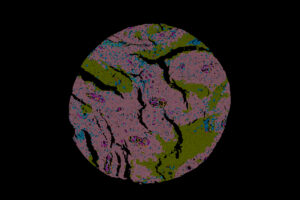
Cells are clustered by identity, visualised on a UMAP plot, then mapped straight back onto the tissue.
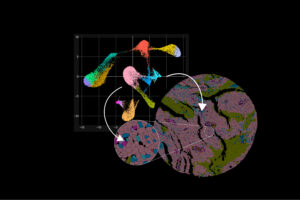
Using the Xenium platform, we mapped the genes driving the hypoxic response at single-cell resolution, then confirmed hypoxia in the same regions by CA9 immunofluorescence staining on the same slide.
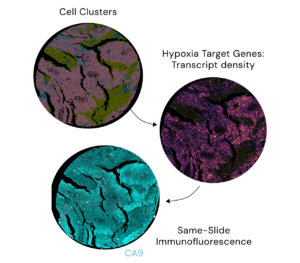
These genes corresponded to different subtypes of tumour cells within the same tumour, mapped to their exact position, cell by cell.
Hypoxia in head and neck cancer is just one question this technology can answer. Others we are helping teams work through:
The Xenium platform can provide insights across immunology, neuroscience, and other oncology programmes too, and has joined the ranks of our spatial biology platforms at MDC. If any of this sounds like your project, get in touch
If your project could benefit from single-cell spatial resolution, we’ll help you work out whether it’s the right fit, and which of our platforms answers your question best.



MDC Helping UK SMEs access tissue samples, a collaboration with Tissue Solutions.