22 July 2026
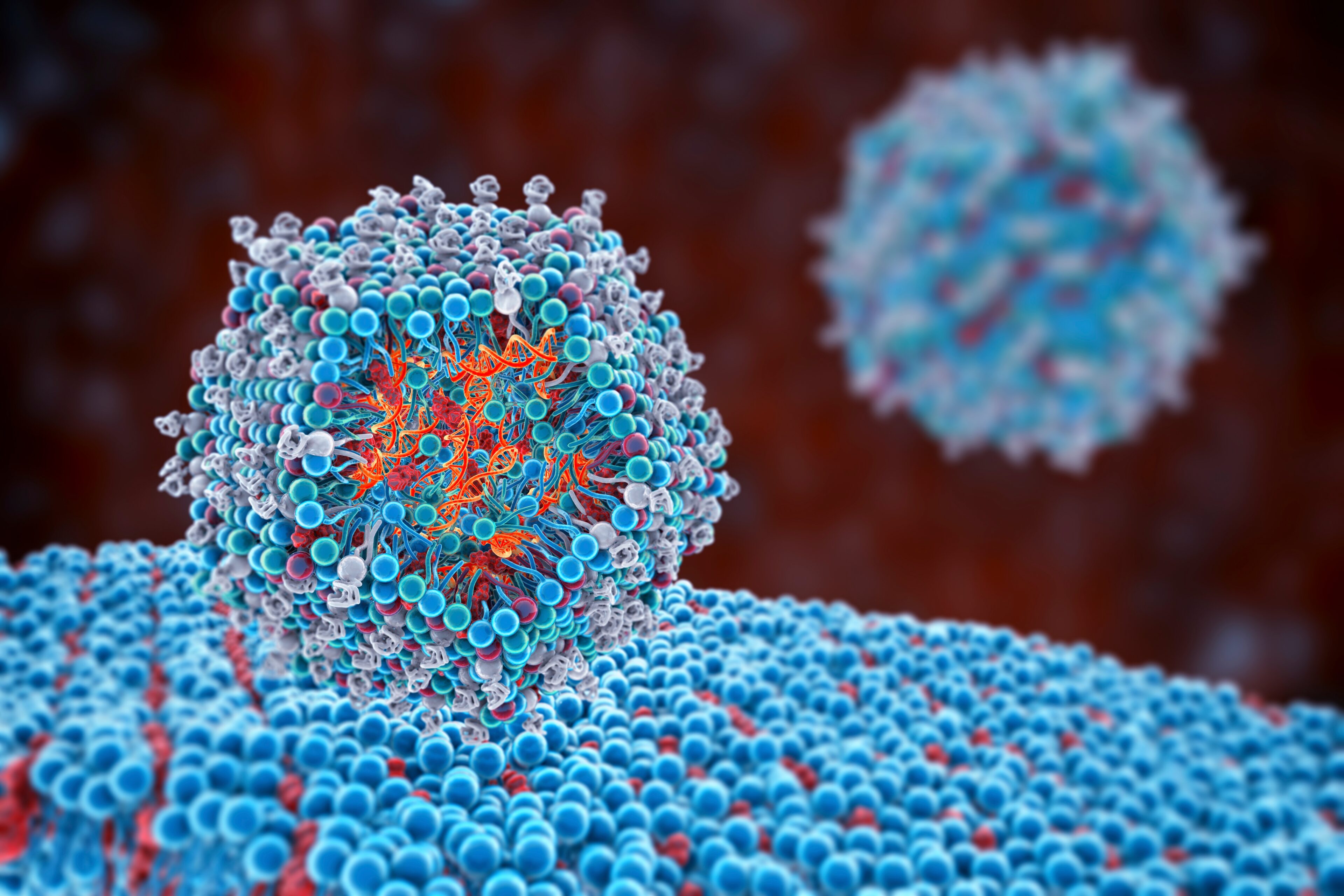
The UK’s Intracellular Drug Delivery Centre, led by CPI and delivered in partnership with Medicines Discovery Catapult, the University of Liverpool, the University of Strathclyde and Imperial College London, is now open for broader industry access following a successful capability development phase. It creates a new national route for organisations developing RNA-based medicines and advanced therapeutics to generate the evidence needed to progress towards clinical and commercial application.
Established with £10 million in funding from Innovate UK’s Transforming Medicines Manufacturing programme, the centre was created to address one of the most significant barriers to the development of RNA-based medicines: delivering therapies effectively to the right cells in the body.
Despite rapid progress in RNA technologies, intracellular delivery remains a major bottleneck, slowing the translation of promising innovations into medicines that can ultimately reach and benefit patients. Organisations developing these medicines often face fragmented testing approaches, uncertainty around how early delivery decisions translate into biological performance, and limited access to specialist infrastructure.
The Intracellular Drug Delivery Centre has been developed to help overcome these challenges through a coordinated, data-enabled approach that connects formulation design, functional characterisation, biodistribution, immunocompatibility and translational decision-making.
During the pilot phase, the centre worked with commercial organisations and collaborative R&D partners to develop, test and refine its capabilities through real projects and applications. Through this early delivery activity, the partnership has supported more than 10 commercial and collaborative projects, screened more than 4,000 formulations, contributed to 8 peer-reviewed publications and supported the development of a regulatory quick-start guide in collaboration with the MHRA.
Having established and validated the capability through these early projects, organisations can now access the centre more broadly through a coordinated service model designed to support delivery optimisation, translational assessment, and the generation of connected evidence needed for better-informed development decisions.
Operating as a distributed national capability, the centre provides a single point of entry for innovators developing drug delivery technologies and RNA-based medicines. By combining infrastructure and expertise across the centre’s partners, organisations can access capabilities that would traditionally sit across multiple organisations, generating connected evidence and enabling better-informed decisions earlier in development to reduce risk and progress programmes towards clinical and commercial application.
Dr Juliana Haggerty, Head of the Intracellular Drug Delivery Centre at CPI, said:
“RNA-based medicines have created enormous opportunities across healthcare, but intracellular delivery remains one of the biggest barriers to translating that potential into treatments that reach patients.
“Through the Intracellular Drug Delivery Centre, we’ve developed and validated an integrated capability designed around the evidence organisations need to make critical development decisions earlier and with greater confidence.
“By making this capability more broadly accessible, we aim to help innovators reduce development risk, accelerate progress and strengthen the UK’s position in next-generation medicines.”
Sarah Brockbank, Strategy Leader – Complex Medicines at Medicines Discovery Catapult, said:
“RNA therapeutics are redefining what is possible in medicine, offering potential for previously untreatable diseases. While innovation in this field is advancing rapidly, realising the full potential of these next-generation medicines requires us to develop the analytical capabilities needed to support their development.
“Providing wider access to the UK’s Intracellular Drug Delivery Centre is an important milestone in achieving this goal. Medicines Discovery Catapult brings established, validated models to the partnership, helping innovators generate the decision-making data needed to progress confidently towards the clinic. Together with CPI and our academic partners, we will help accelerate the development of RNA therapeutics and other advanced medicines, enabling more promising medicines to reach patients faster.”
Professor Neill Liptrott, Chair of Pharmacology and Immunocompatibility at the University of Liverpool, said:
“The strength of the Intracellular Drug Delivery Centre lies in connecting formulation design with how delivery systems interact with human biology. By assessing immunocompatibility early, we can identify potential risks sooner, select the most promising candidates and help RNA medicines progress towards clinical use.”
Organisations developing RNA-based medicines, evaluating delivery technologies or facing formulation and translational challenges are encouraged to contact CPI to explore how the Intracellular Drug Delivery Centre can support their next stage of development.



PACE (Pathways to Antimicrobial Clinical Efficacy) and the UK Health Security Agency (UKHSA) have released five new contemporary antimicrobial resistance (AMR) strain panels, giving innovators worldwide a resource to test novel therapeutics and diagnostics against today’s resistance patterns.

New appointments support MDC’s mission to turn drug discovery into commercial breakthroughs.