By Catherine Eagle, Lead Scientist
July 2026
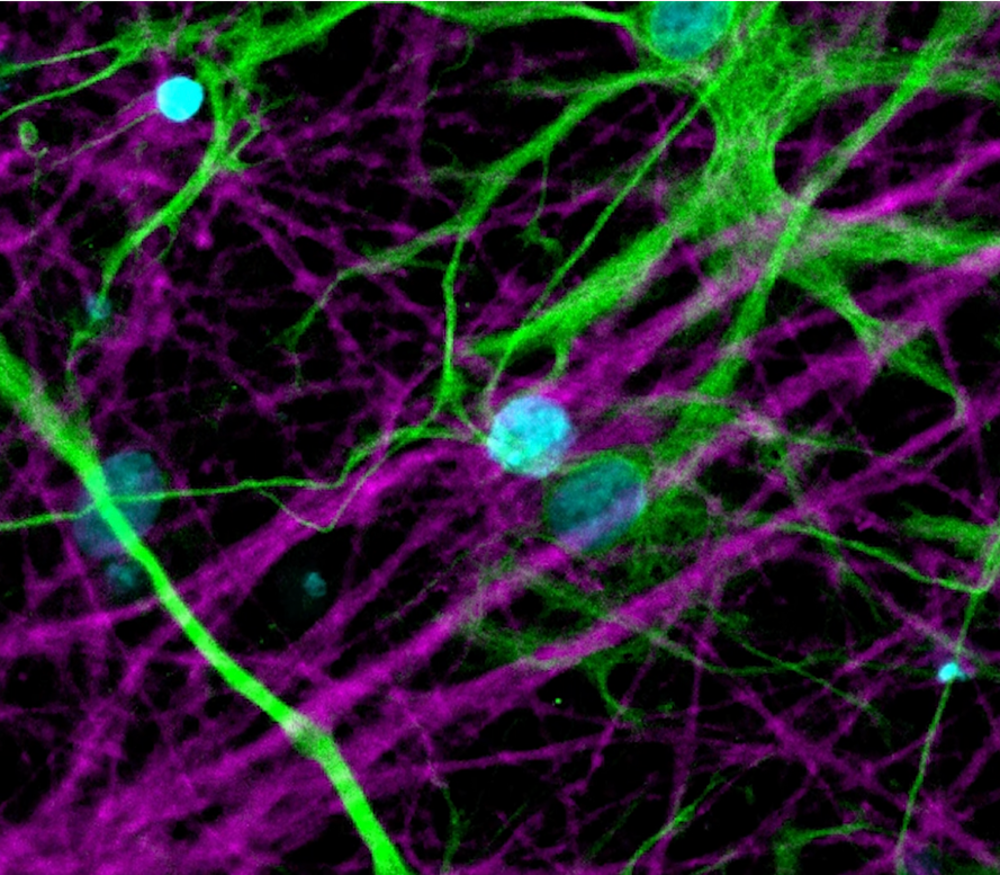
How do you take a novel immune therapeutic from bench to clinic?
Catherine Eagle, Lead Scientist in Immunology at Medicines Discovery Catapult, shares a real-world case study from MDC’s Discovery Labs that shows how primary human cell models, flow cytometry, microscopy, and translational biomarker analysis are combined to de-risk drug discovery for allergic disease therapeutics.
Recorded following the 2026 BSI Immune Therapy Summit, this talk covers MDC’s approach to immune reset in autoimmunity, cell therapy barriers (CAR-T and Tregs), Fc functionality of therapeutic antibodies, and how MDC partners with SMEs across oncology, neuroscience, immunology and infectious disease.
In this video, you can hear how MDC’s in vitro and in vivo biology teams answer the questions that matter most in preclinical immunology: which cells does your therapeutic bind? What happens after binding? How is immune modulation triggered? And which biomarkers translate into the clinic?
Topics covered include immunophenotyping, endosomal trafficking, nanomedicine characterisation, macrophage polarisation, NanoString gene expression profiling, spatial and single-cell transcriptomics, and exploratory biomarker discovery in preclinical and clinical samples.
If you are developing a novel immune therapeutic and need a partner to accelerate your route to the clinic, get in touch with Medicines Discovery Catapult, we work as an extension of your research team.
Dr Michael Eyres, Lead Scientist at MDC, has been working on applying MDC’s biomarker expertise to a novel approach in drug discovery.
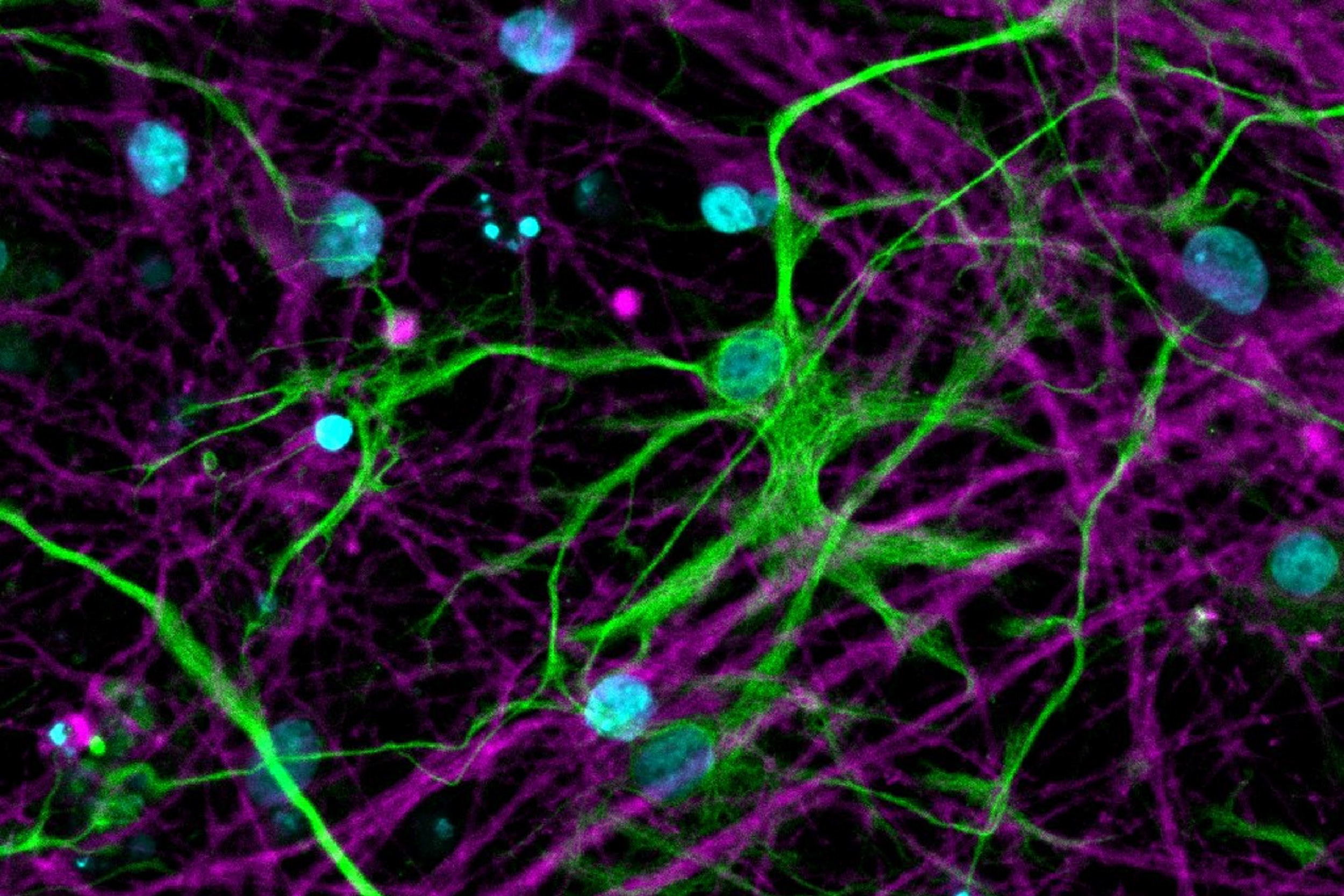
Video case study with Dr Emma Jones, Lead Scientist and Dr Eve Corrie, Senior Scientist. Neuronal activity assays at Medicines Discovery Catapult.
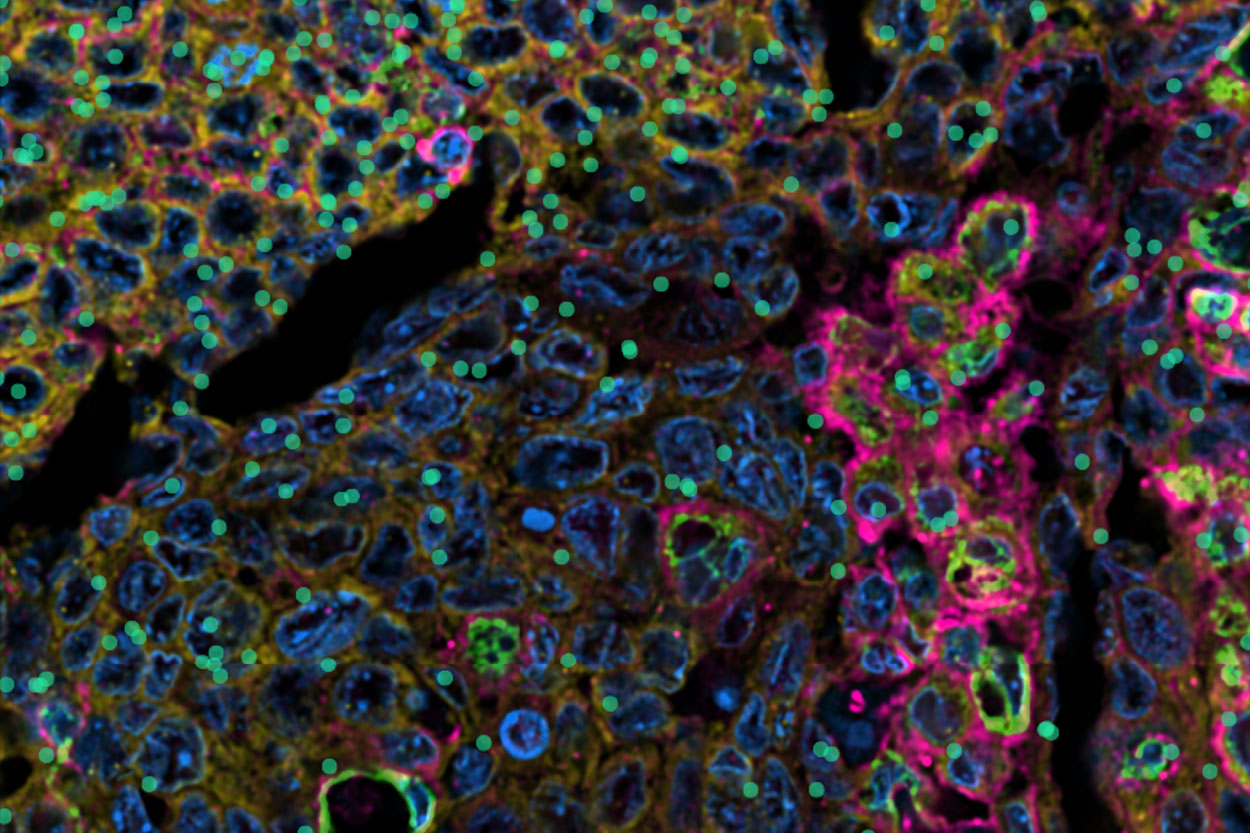
What does hypoxia look like inside a tumour, cell by cell? Our team can map it, single-cell spatial transcriptomics for up to 5,000 targets in standard FFPE tissue.