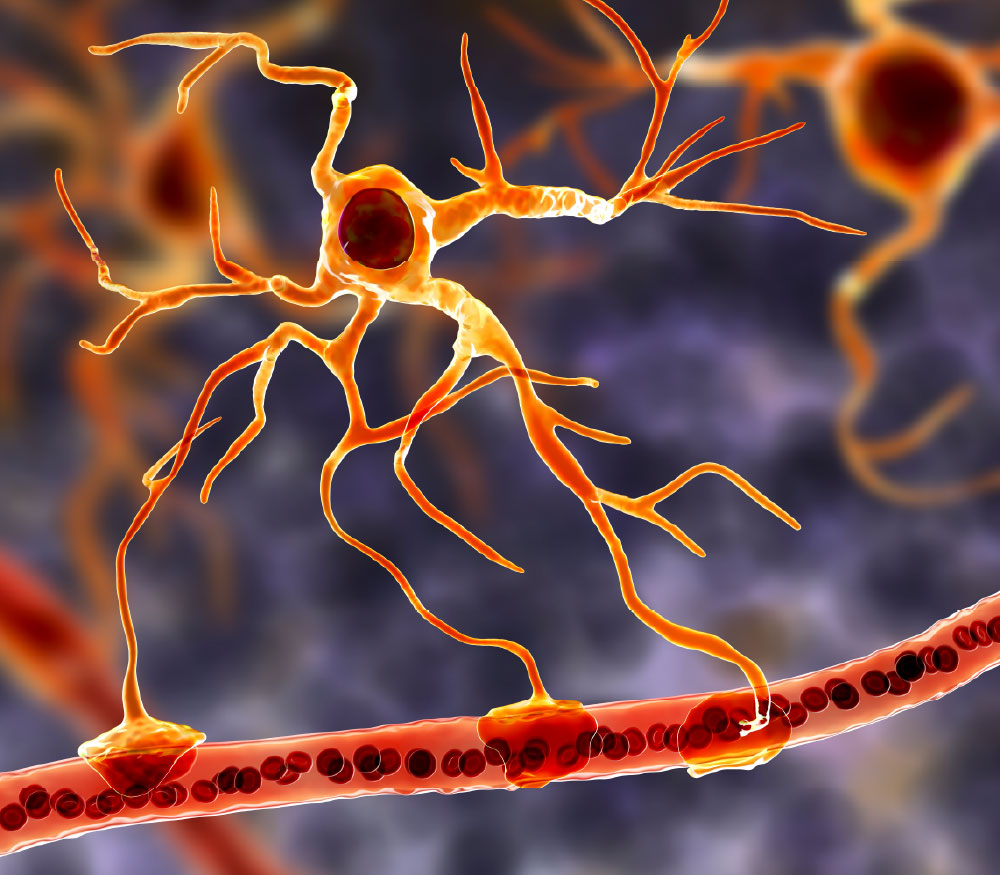
By nature, the blood-brain barrier (BBB) was designed to protect the brain and the central nervous system (CNS) from toxins, inflammation, injury and disease. The barrier is made up of highly specialised cells that strictly regulate the movement of molecules into the brain, only allowing essential nutrients and gases to pass into the CNS. The cells that line the barrier do this by expressing tight junctions and transporters that are unique to the CNS and make this barrier more selective than any other blood vessel in the body.
The high selectivity of the BBB becomes a problem in case of disease, when drugs are needed to reach the brain. In particular, nearly all biopharmaceuticals (e.g. antibodies and peptides) and over 90% of small molecule drugs fail to reach the CNS which makes the treatment of CNS diseases, as well as brain cancers, a real challenge. It is then not surprising that neurological disorders represent the second-largest cause of global deaths behind cardiovascular diseases (16.8% of global deaths).
One of the hurdles in identifying new pathways for delivering therapeutics to the brain is the lack of representative in vitro BBB models truly predictive of in vivo responses at the early stages of R&D.
Historically, many of these in vitro models used to test new drugs do not always represent true physiological behaviour. This has often been a combination of using mouse, rat or immortalised human cell lines as well as culturing these cells in 2D on a plastic dish.
With emerging technologies such as induced pluripotent stem cells, 3D cell culture, microfluidics and organ on a chip platforms, we can start to overcome some of the challenges associated with developing more relevant in vitro human models.
At Medicines Discovery Catapult, we are developing multicellular models of the human blood brain barrier to demonstrate some of its functions using the appropriate three- dimensional microenvironmental cues. These in vitro models will be available to collaborators to address challenges in delivering drugs across the blood brain barrier and get closer to tackling some of the major obstacles currently faced in targeted delivery to the CNS.

Priya Viswanathan, PhD, is a Senior Scientist in the Complex Cell Models team at Medicines Discovery Catapult. In her previous career in academia, Priya has worked on developing bioengineered in vitro models to understand biomechanical forces that drive adult stem cell fate. She is currently interested in the use of organ-on-a-chip technologies and 3D in vitro models for drug discovery.
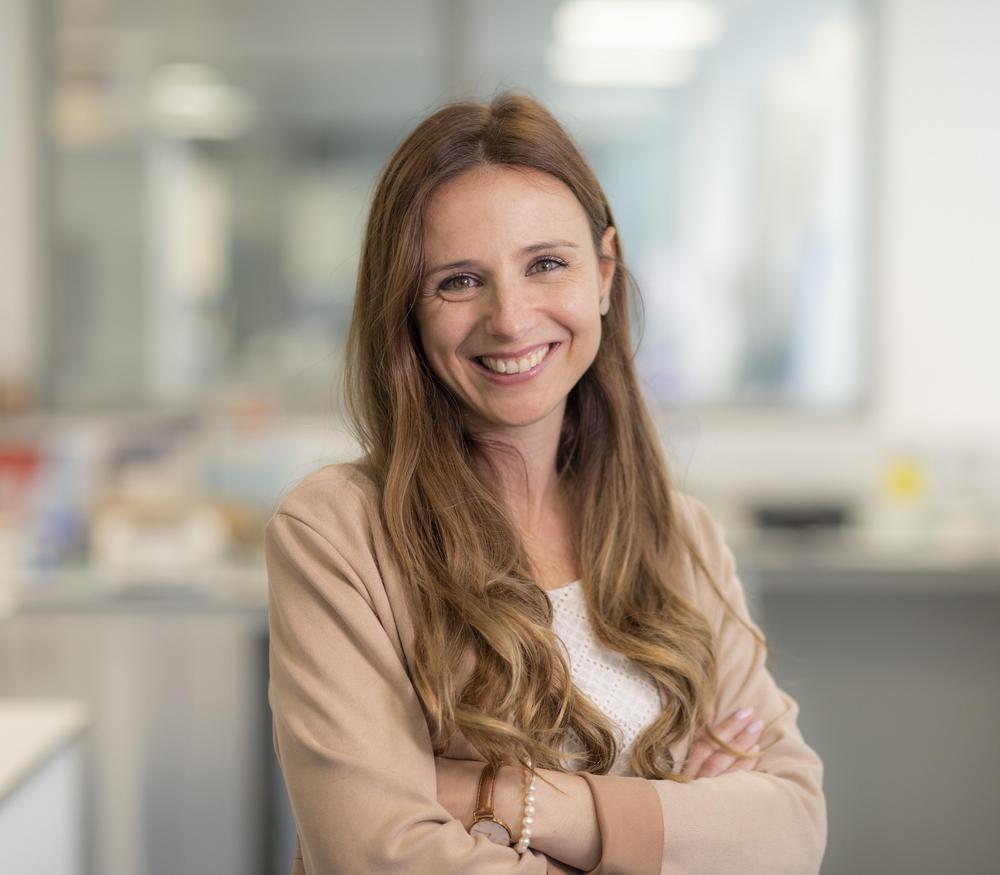
Benedetta Arno, PhD, is a Senior Scientist at Medicines Discovery Catapult. In her previous career as an academic, Benedetta worked in Neuroscience and in fibrosis. She is currently interested in building 3D in vitro models as well as using in vivo pre-clinical imaging to study drug distribution and efficacy.
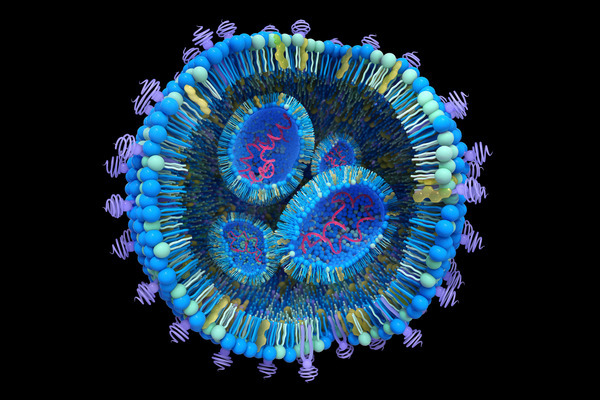
How to study the endosomal escape of RNA therapeutics
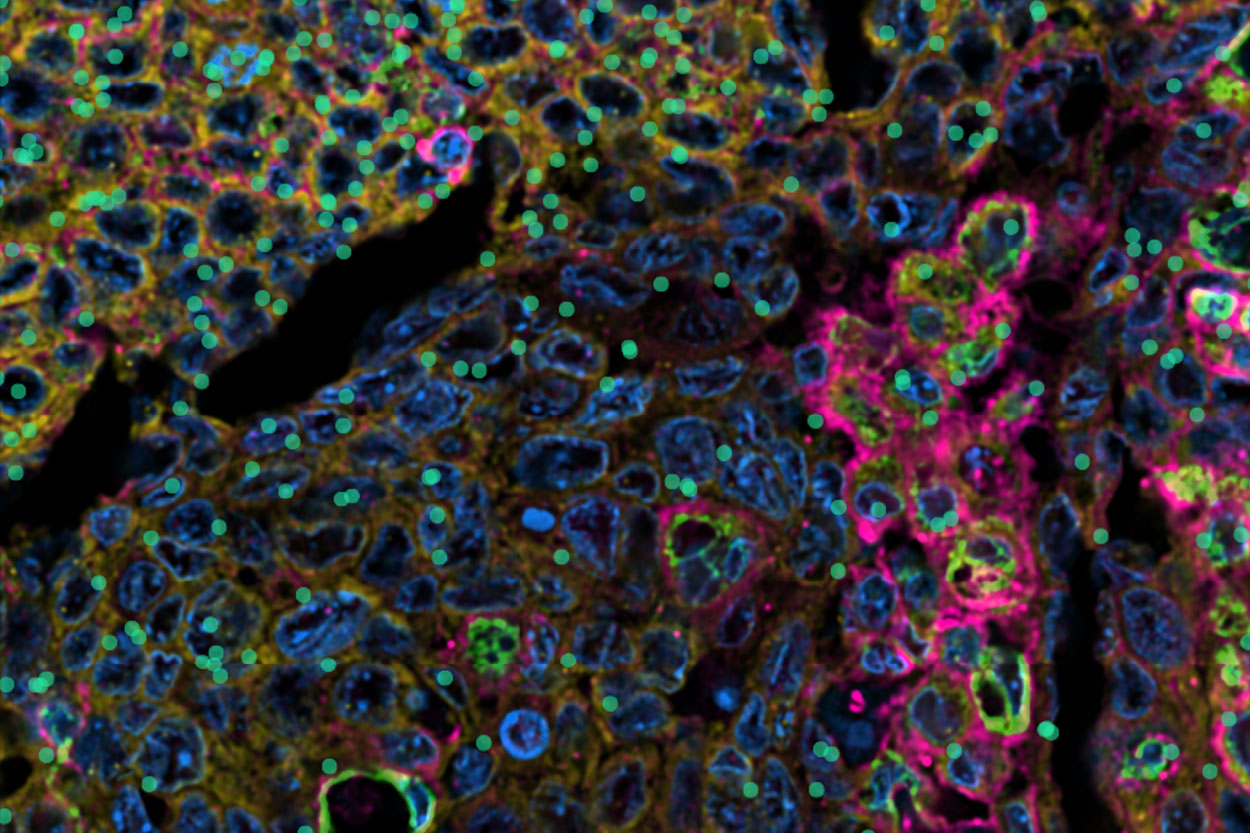
Xenium at MDC Case Study: Hypoxia in Head and Neck Cancer
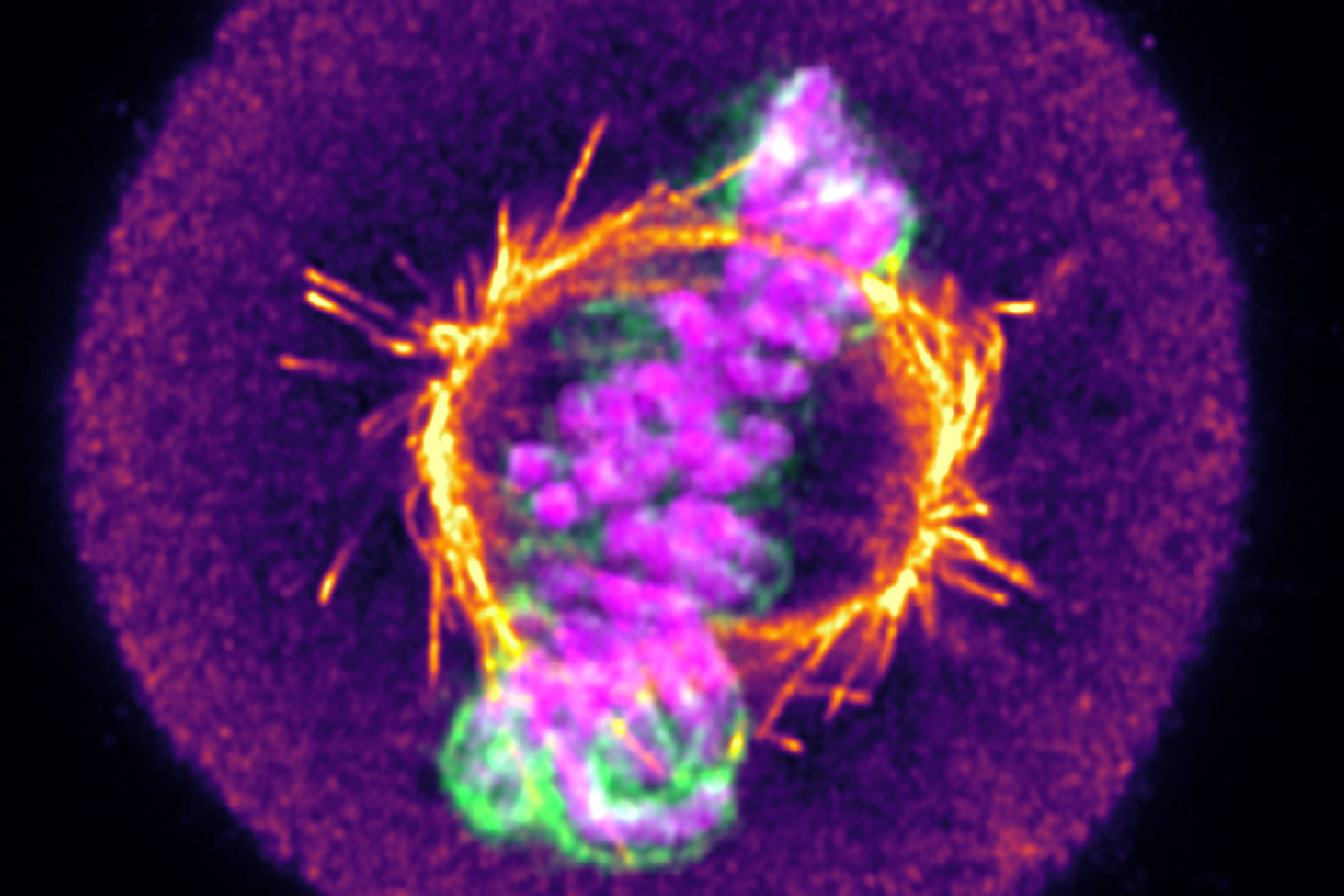
From mitochondrial networks that silently rebalance fusion and fission, to chromosomes that only reveal their fate in the minutes after division, live-cell imaging uncovers dynamics that static snapshots miss entirely. We explore three examples, including how tracking RNA therapeutic vehicles as they transit and escape endosomal compartments in real time resolves ambiguity that even super-resolution imaging of fixed cells can’t overcome.