
Bidding for grant applications and funding can be a very frustrating, tiresome and demoralising process. Hours can be wasted putting pen to paper, just so your dreams can be shattered months later after “so-called” experts and faceless bureaucrats tear your hard work apart. Of course, this is all part of the democratic process required to justify spending public money.
The truth of the matter is, there is no quick-fix or magic formulae to winning grant applications. However, there are certain steps you can take to ensure the funding you are bidding for is right for your organisation and that you put forward the most competitive proposal possible.
At the organisation I work for, RedKnight, we apply a 5 step self-assessment process on behalf of every client before we begin writing any funding application.
This includes:
We greatly encourage organisations to consider the above points before they waste valuable time and money writing funding applications for grants which they aren’t quite ready for.
It is also important to remember that even excellent proposals aren’t always successful. RedKnight has supported many applications which have passed the threshold but haven’t received the funding. The critical point is to learn from the feedback and to persevere.
This article is from a series contributed by the UK drug discovery community. For more information read our disclaimer.
Dayne Hodgson is an expert in small business funding programmes, including Horizon 2020, Innovate UK and European Structural and Investment Funding (ESIF), which he has also managed and administrated. With a First-Class Honours Degree in management studies from Cardiff Metropolitan University, he started his professional career working within the University’s Research and Enterprise Services, developing expertise in both National and International funding streams.
In 2014, Dayne joined the University of Wales Trinity St David as European Strategy Development Officer, supporting the successful development of the £13m ESF work-based learning project, ‘GWLAD’ and two Erasmus+ Strategic Partnership projects worth more than €500k. In September 2015, Dayne co-founded RedKnight and since then they have supported clients in accessing over £4.7m of grant funding for Research, Development & Innovation purposes.
Learn more about our Collaborative R&D offering at Medicines Discovery Catapult, our team can help you navigate the funding landscape, connect you with suitable experts and help develop a joint proposal in grant applications.
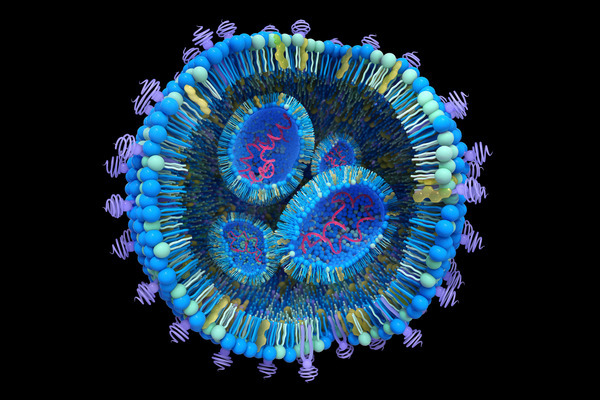
How to study the endosomal escape of RNA therapeutics
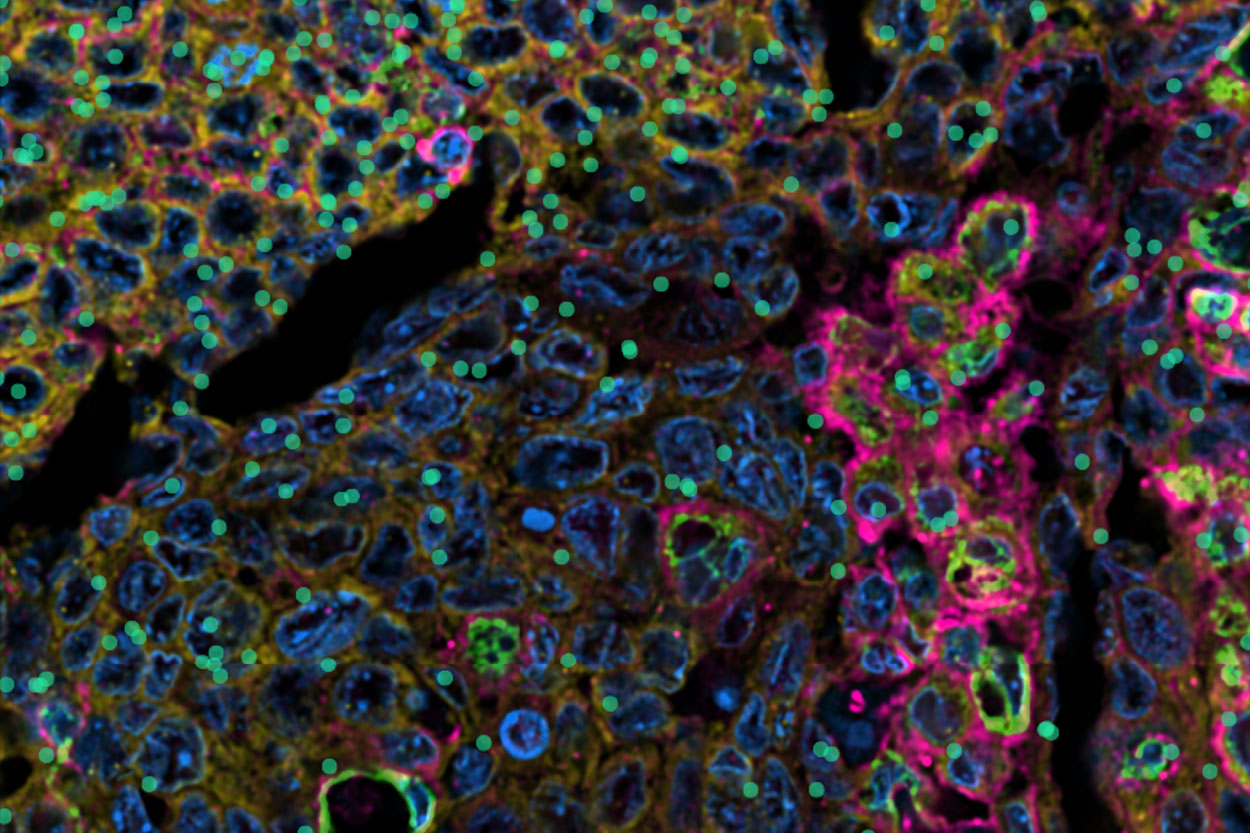
Xenium at MDC Case Study: Hypoxia in Head and Neck Cancer
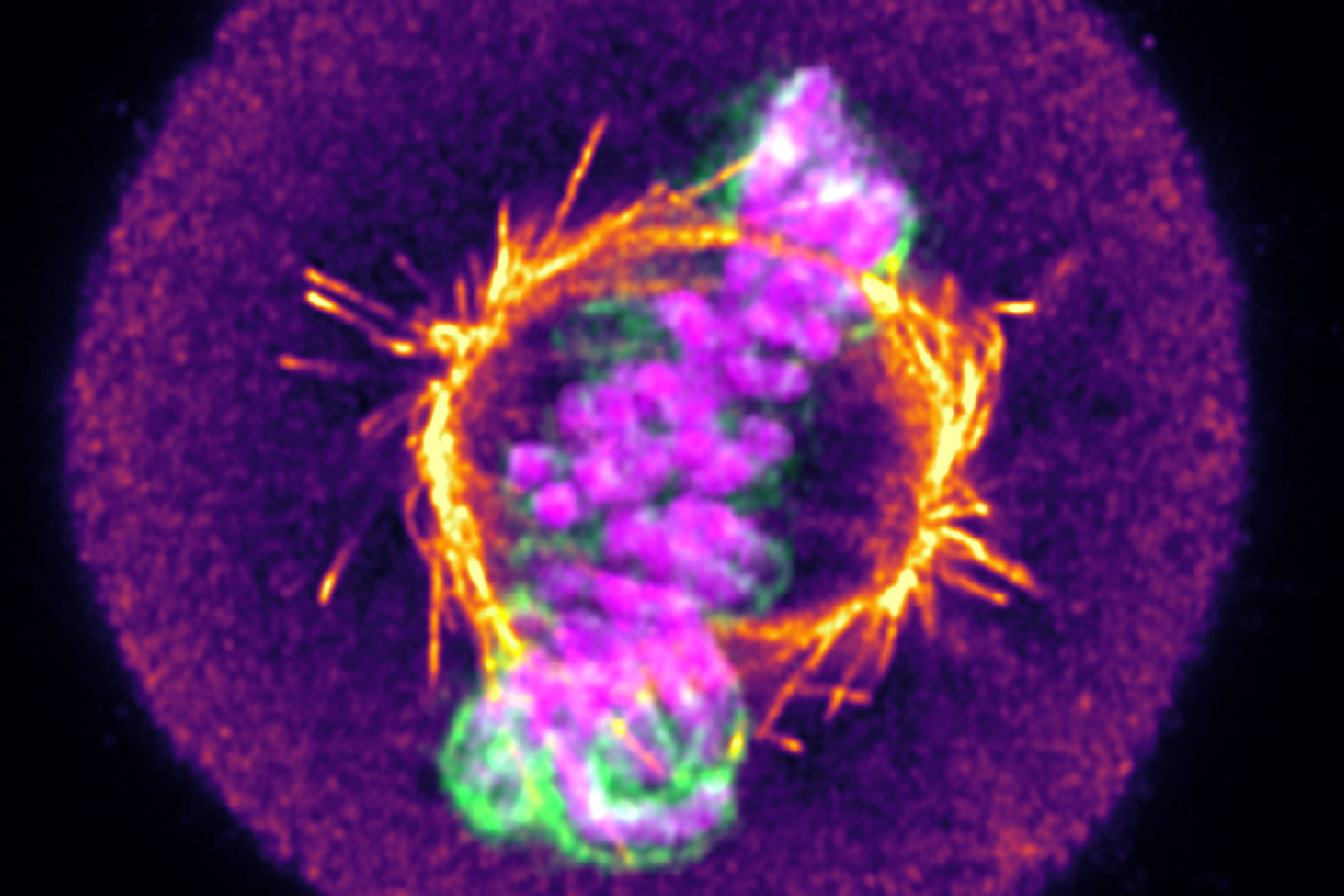
From mitochondrial networks that silently rebalance fusion and fission, to chromosomes that only reveal their fate in the minutes after division, live-cell imaging uncovers dynamics that static snapshots miss entirely. We explore three examples, including how tracking RNA therapeutic vehicles as they transit and escape endosomal compartments in real time resolves ambiguity that even super-resolution imaging of fixed cells can’t overcome.