A new wave of medicines has emerged in recent years, to supplement the established small and large molecule platforms. These complex medicines will become as important as traditional small molecule drugs in the coming years, with market values of hundreds of billions of pounds.
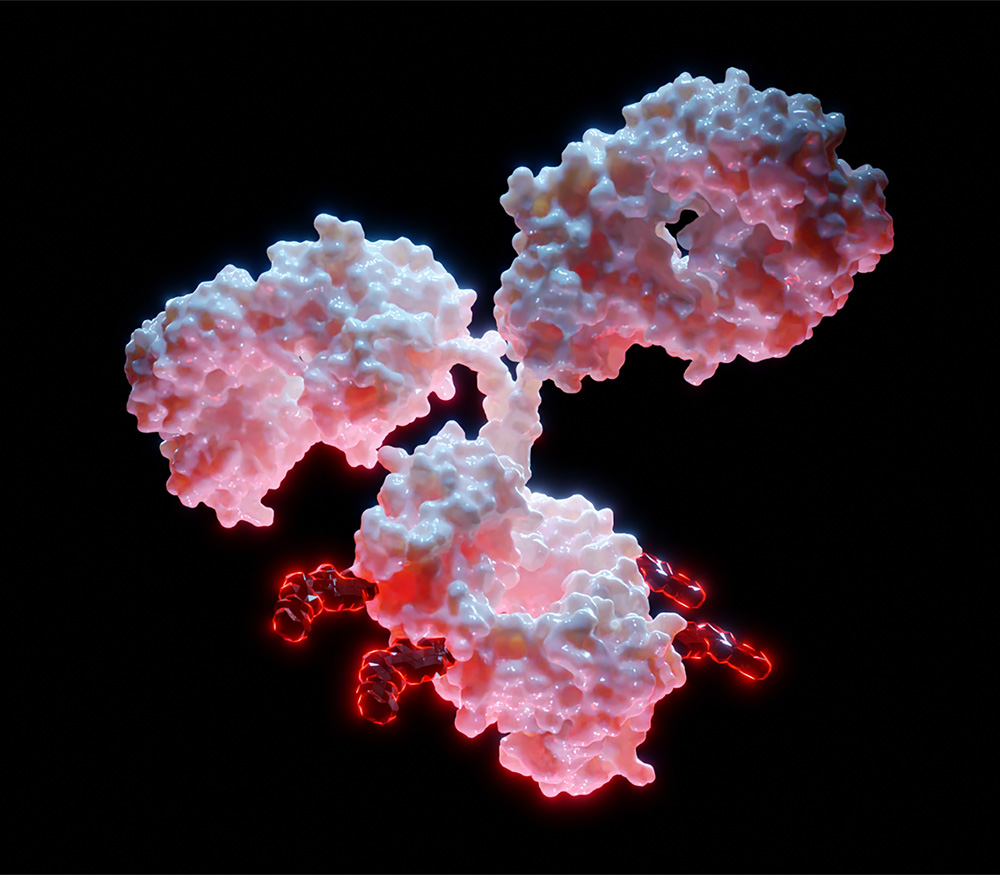
We partnered with CPI to engage stakeholders across the UK, through surveys and interviews, to develop an understanding of the complex medicines landscape, the challenges encountered by those working in this area, and to develop clear recommendations to support the sector for national growth and impact in this space.
“From an investor’s perspective, this field provides an avenue for even generalist investors to also capitalise on cutting-edge science. The complex medicines train is just leaving the station, so the journey is far from over – but the savviest investors will have secured the first-class tickets.” – Dr Claire Brown, Interim Chief Investment Officer (Oxford Science Innovation)
Download our State of the Discovery Nation 2021 report to get a more in-depth look into complex medicines.
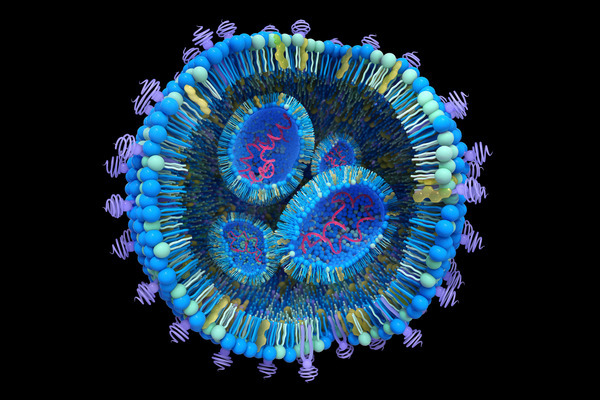
How to study the endosomal escape of RNA therapeutics
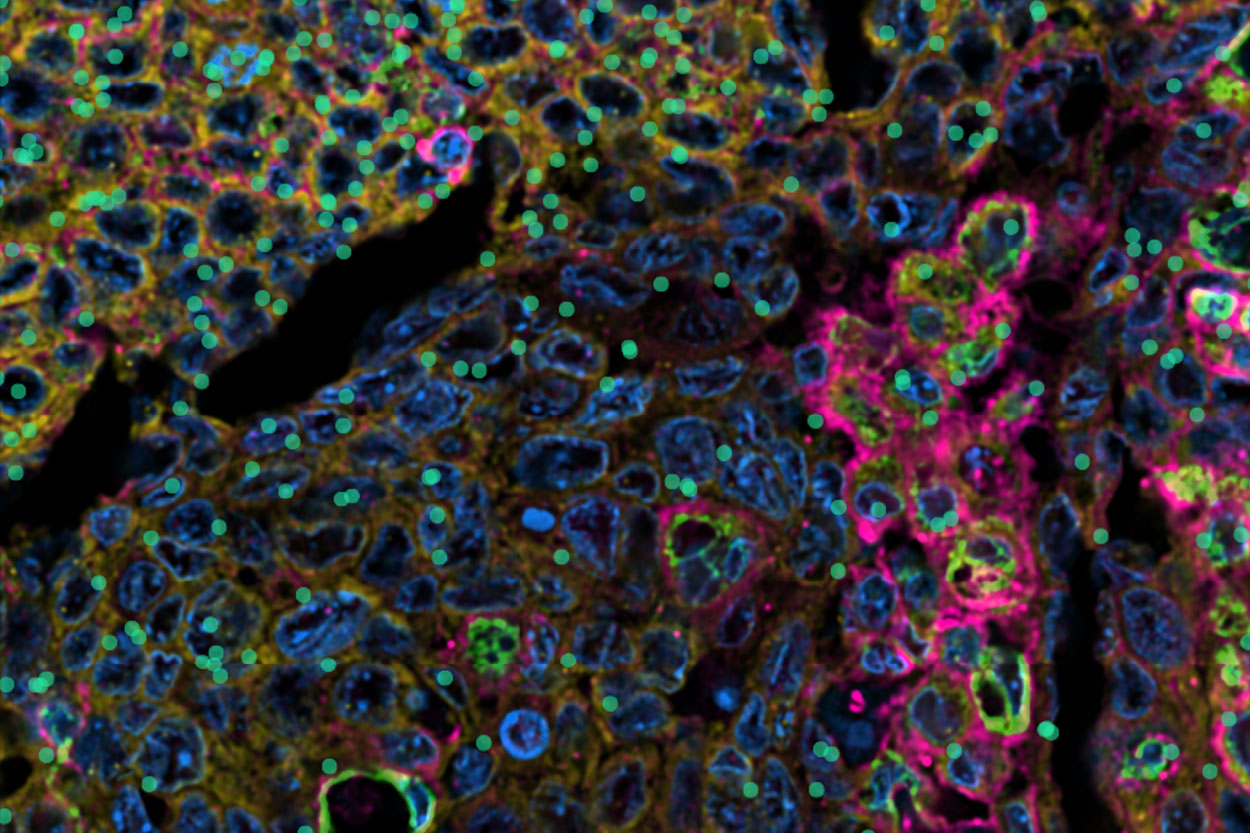
Xenium at MDC Case Study: Hypoxia in Head and Neck Cancer
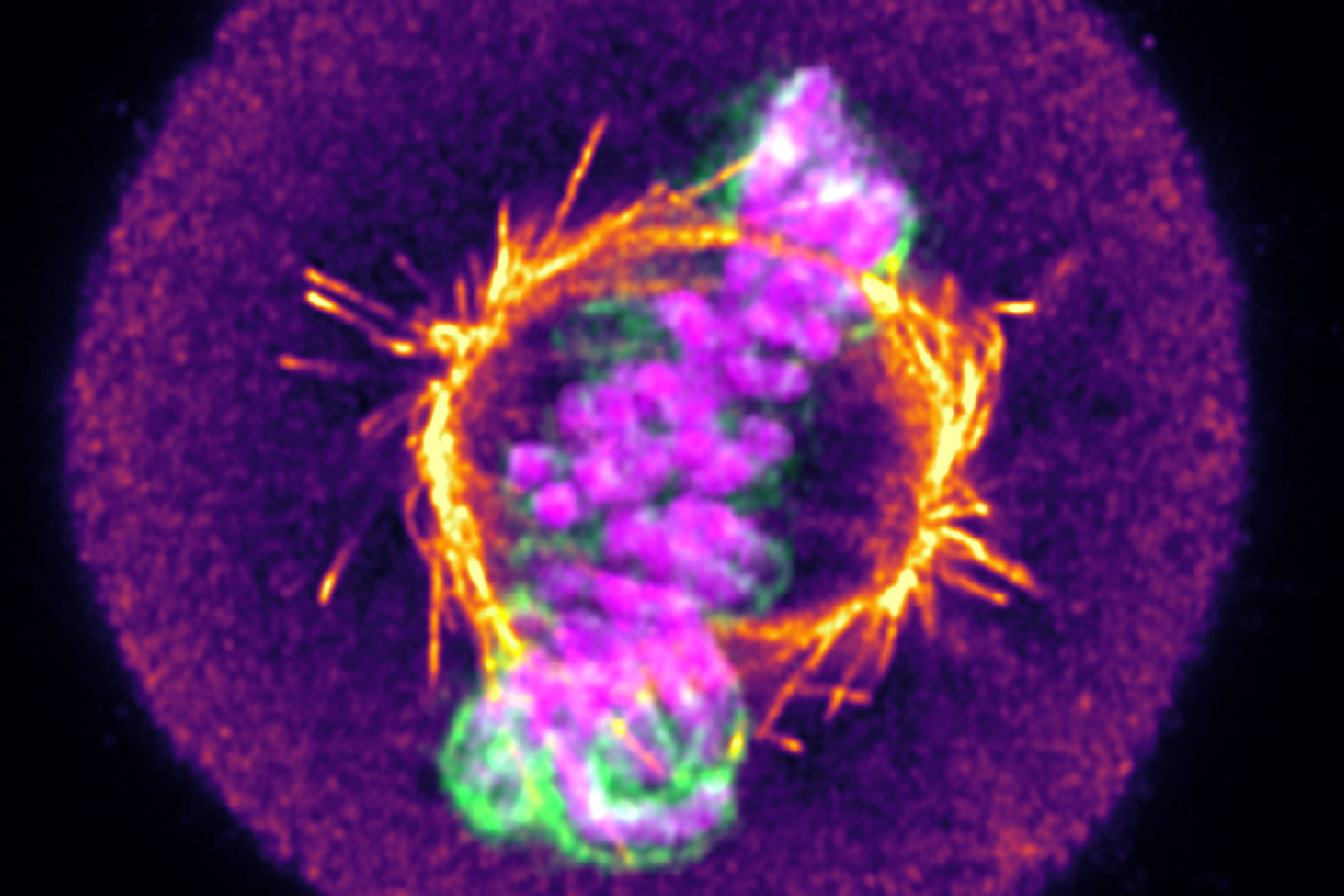
From mitochondrial networks that silently rebalance fusion and fission, to chromosomes that only reveal their fate in the minutes after division, live-cell imaging uncovers dynamics that static snapshots miss entirely. We explore three examples, including how tracking RNA therapeutic vehicles as they transit and escape endosomal compartments in real time resolves ambiguity that even super-resolution imaging of fixed cells can’t overcome.