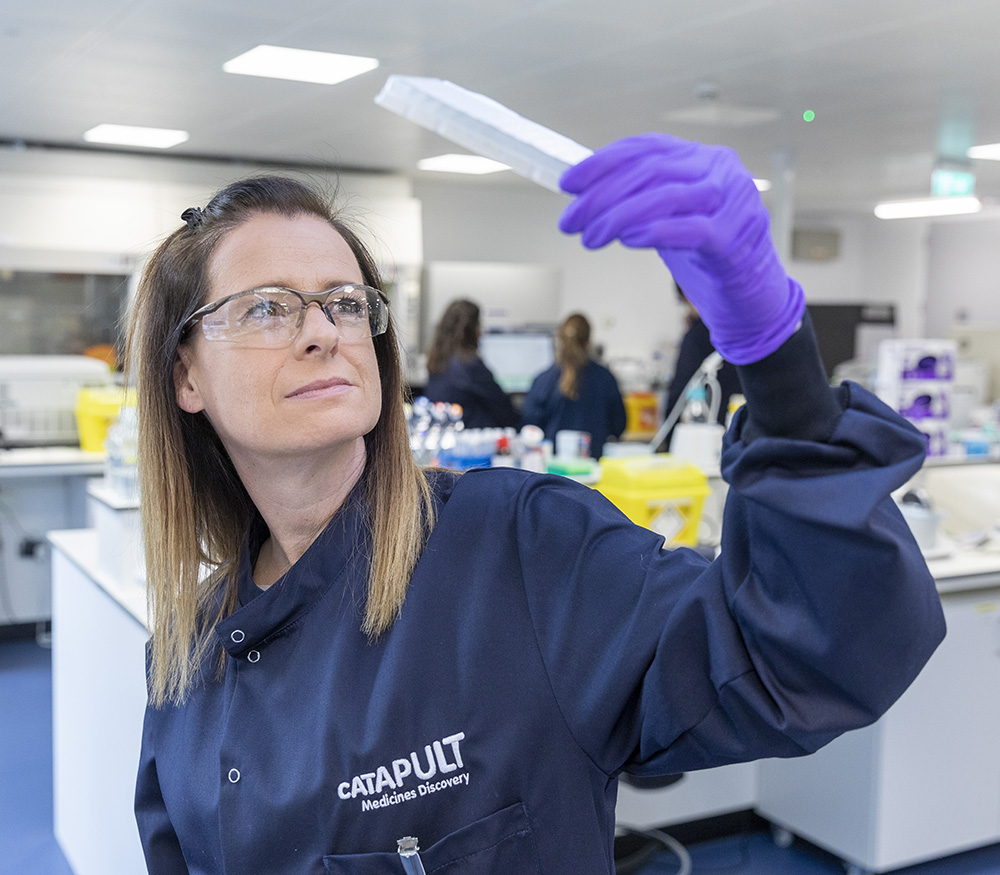
This article is based on, Head of Biomarkers Gayle Marshall’s talk from the MDC Connects webinar series, Developing a Biomarker Strategy. You can watch the webinar here.
Within the drug discovery pipeline, there are several steps a compound must progress through prior to the clinical stage – initial target identification and validation, lead identification and optimisation and the pre-clinical stage. Even so, drugs that enter the clinic still have a high attrition rate due to lack of efficacy, PK/PD, safety issues or the wrong strategy, i.e. incorrect patient population.
The key to greater success is to understand the key clinical questions and build testable and scientific evidence to transition between the preclinical and clinical setting.
A biomarker strategy is developed to answer a range of key clinical questions and to help develop a robust clinical study. For example:
An understanding of these key questions allows them to be tested in a preclinical setting to help mitigate some risks.
Biomarkers should be introduced at the start of the drug discovery pipeline at target selection stage. It is important to understand the mechanism of action with the target and all the markers involved. This can be established using different multi analyte assays and techniques shown below to identify some key markers that can be monitored once the compound reaches the clinic, using a robust assay that has been developed during the biomarker identification.
Important considerations to build into a clinical trial design include:
Whilst there are many potential applications for the use of clinical biomarkers, very few have entered the clinic as a diagnostic. Lack of biomarker uptake may be due to lack of clinical utility, complex and underestimated biomarkers, lack of understanding of the pathology and the heterogeneity of the disease, use of inappropriate samples for discovery and validation and methodology limitations.
Medicines Discovery catapult have several technologies for biomarker discovery and development as shown below which can be utilised by companies to incorporate relevant biomarkers into their drug discovery programmes, develop robust methods to analyse large numbers of analytes, and provide integrated data sets across different technologies to support the biomarker studies.
This article is based on Gayle’s talk from the MDC Connects webinar series. Watch the session Gayle took part in – Developing a Biomarker Strategy

Gayle Marshall is Lead Scientist for Biomarkers at MDC. She has extensive experience in clinical and pre-clinical biomarkers, previously leading a translational science laboratory team within large pharma. At MDC, she is responsible for delivering biomarker strategies and developing robust assays for clinical utility through delivering key data to support clinical development.
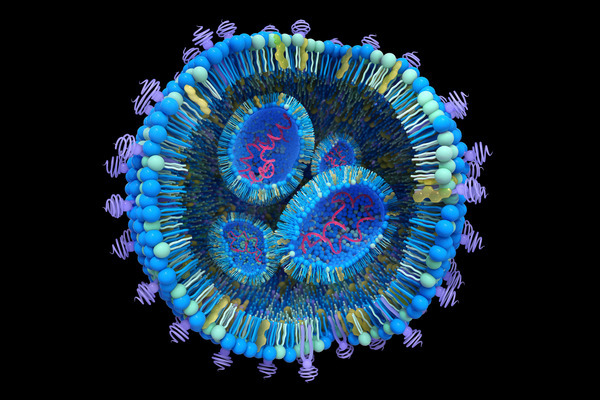
How to study the endosomal escape of RNA therapeutics
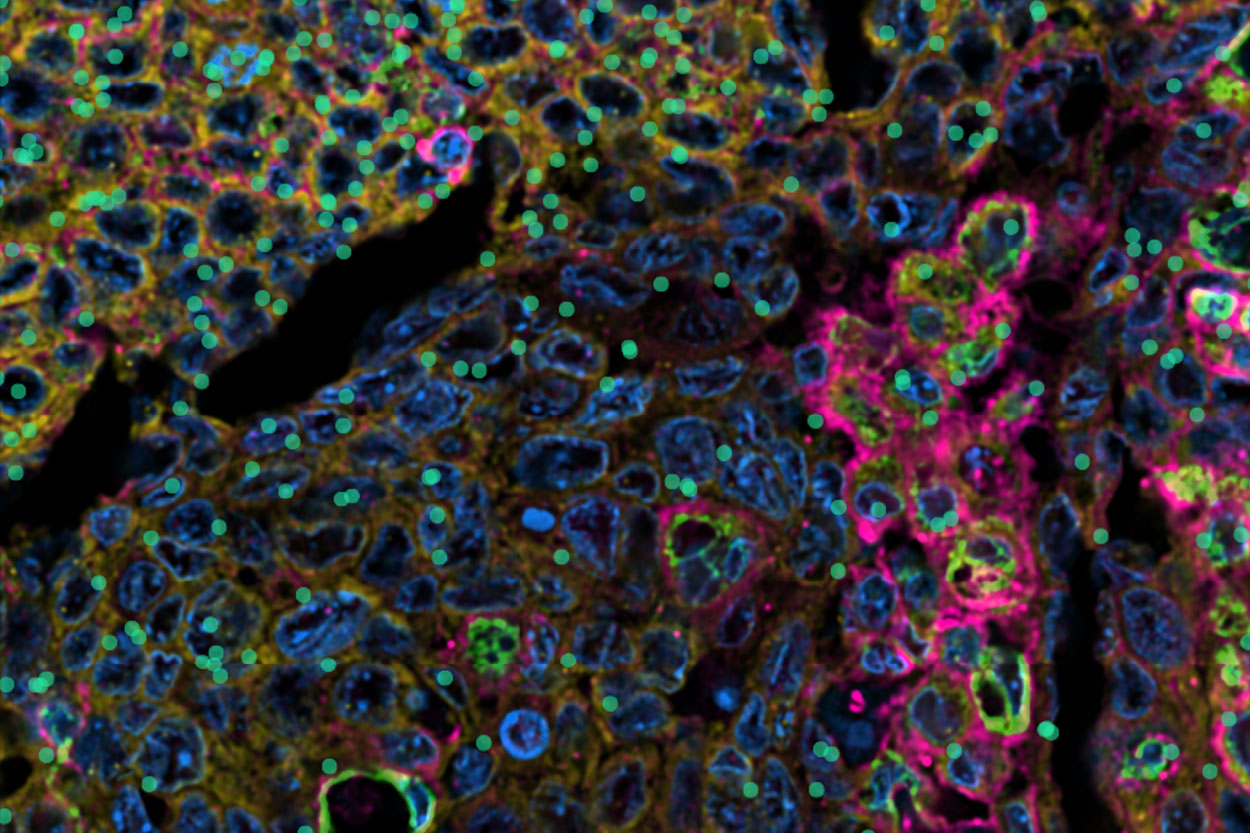
Xenium at MDC Case Study: Hypoxia in Head and Neck Cancer
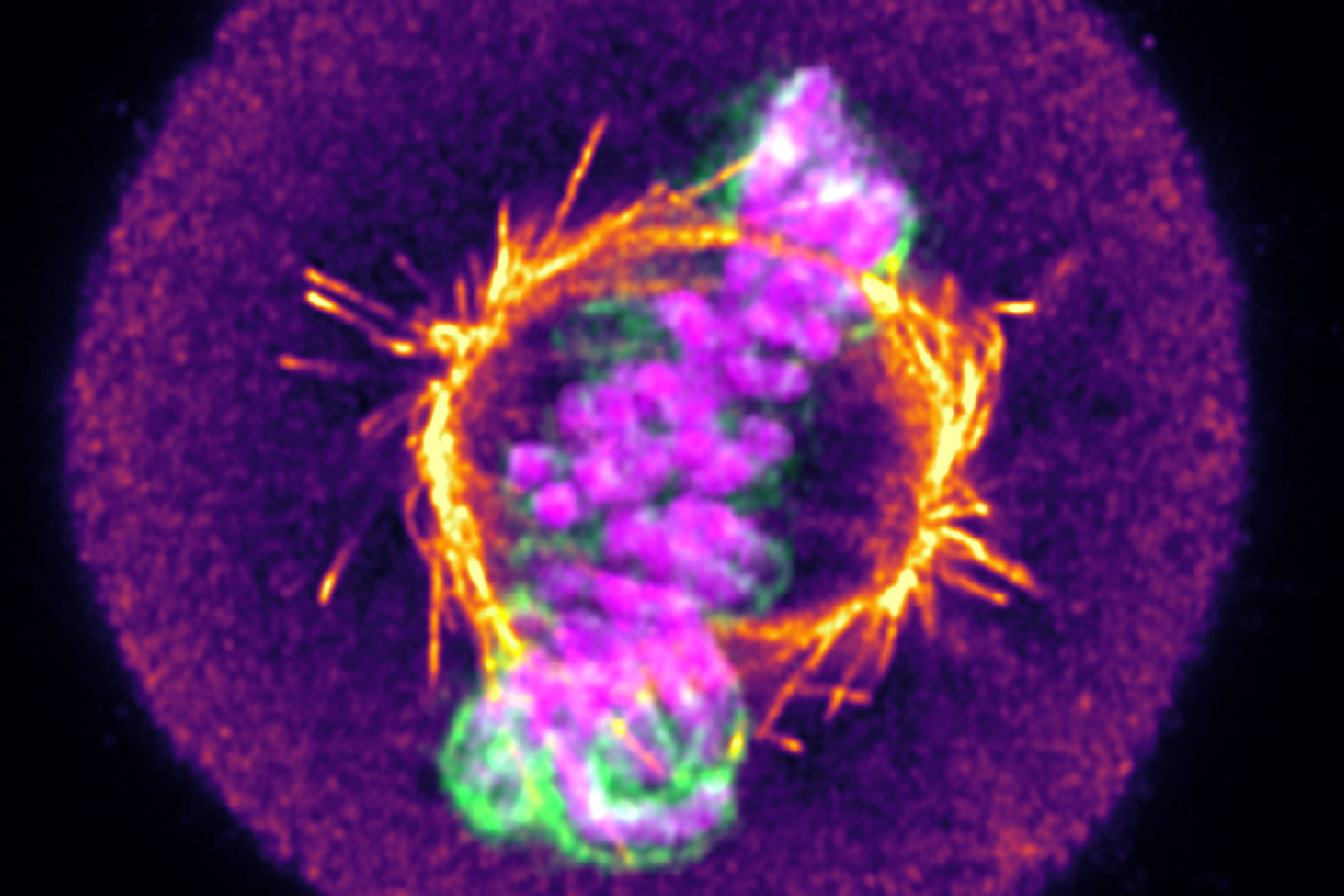
From mitochondrial networks that silently rebalance fusion and fission, to chromosomes that only reveal their fate in the minutes after division, live-cell imaging uncovers dynamics that static snapshots miss entirely. We explore three examples, including how tracking RNA therapeutic vehicles as they transit and escape endosomal compartments in real time resolves ambiguity that even super-resolution imaging of fixed cells can’t overcome.