
With the increasing pressure to drive efficiencies in the drug discovery process, innovative approaches using computational chemistry are delivering proven results, particularly in the areas of lead identification and optimisation. However, these techniques require expertise that may not be available in-house. There is an increasing trend to outsource computational chemistry in order to benefit from the advantages it delivers in terms of insight into the biological activity and interactions of molecules across a range of target classes, enabling the identification of new candidates that would otherwise have been overlooked. Outsourcing also makes computational chemistry methods affordable and accessible for smaller research organisations.
When working on your project we become your scientific partner and share your goals and challenges. It is our business to ensure you achieve your project milestones.
By removing obstacles you gain a fresh perspective, save time and money and can improve discovery performance. Cresset Discovery has access to the best of breed ligand-based and structure-based software solutions developed by Cresset. Cutting edge methods, that are not yet available commercially, are also used. At all times our goal is to provide the best possible methods to deliver outstanding results. Whether virtual screening, broadening and protecting your IP position, managing your procurement process, finding a chemical starting point, or bridging resource gaps, Cresset Discovery has proven expertise to take your business to the next stage.
Cresset Discovery delivers computational solutions to biological problems to pharmaceutical, biotechnology, agrochemical, flavour and fragrance companies. Their CADD experts provide an understanding into the properties and behaviours of chemical structures and proteins for the design of new, small molecules, ensuring molecular discovery is easier and more efficient.
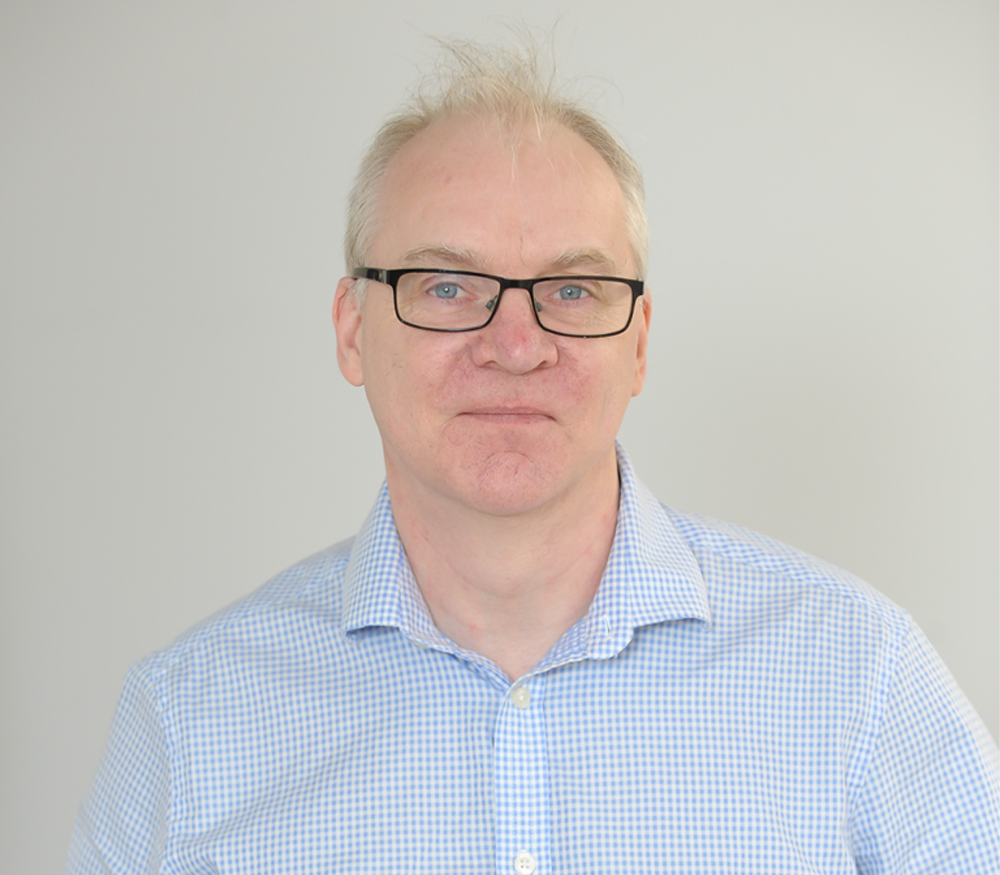
Martin Slater is Director of Consulting Services at Cresset Discovery. He studied medicinal chemistry at the Universities of Leeds and Huddersfield. In 1997 Martin joined the then start-up company BioFocus where, as Senior Research Fellow, he underpinned the SoftFocus library brand with the development of innovative chemogenomic tools and the design of over 40 commercially successful protein targeted libraries. Martin pioneered the use of Cresset’s field-based technologies for targets including GPCRs, Kinases, Ion channels and Proteases for library generation and de-novo ligand design. Martin joined Cresset in 2011 as Director of Consulting Services.
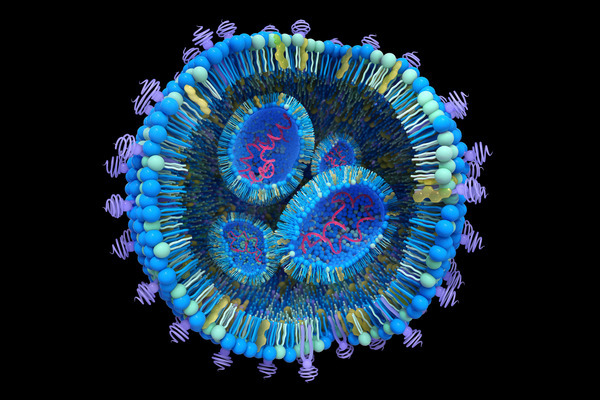
How to study the endosomal escape of RNA therapeutics
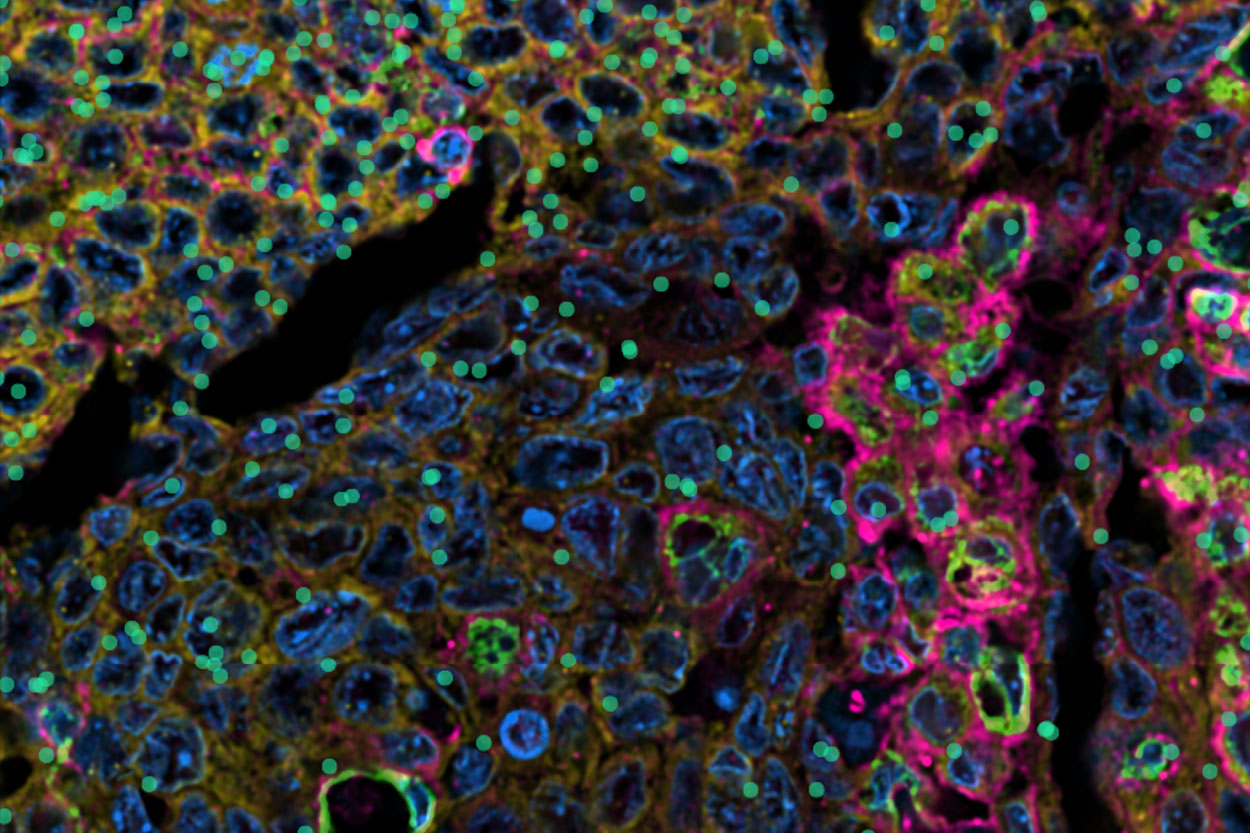
Xenium at MDC Case Study: Hypoxia in Head and Neck Cancer
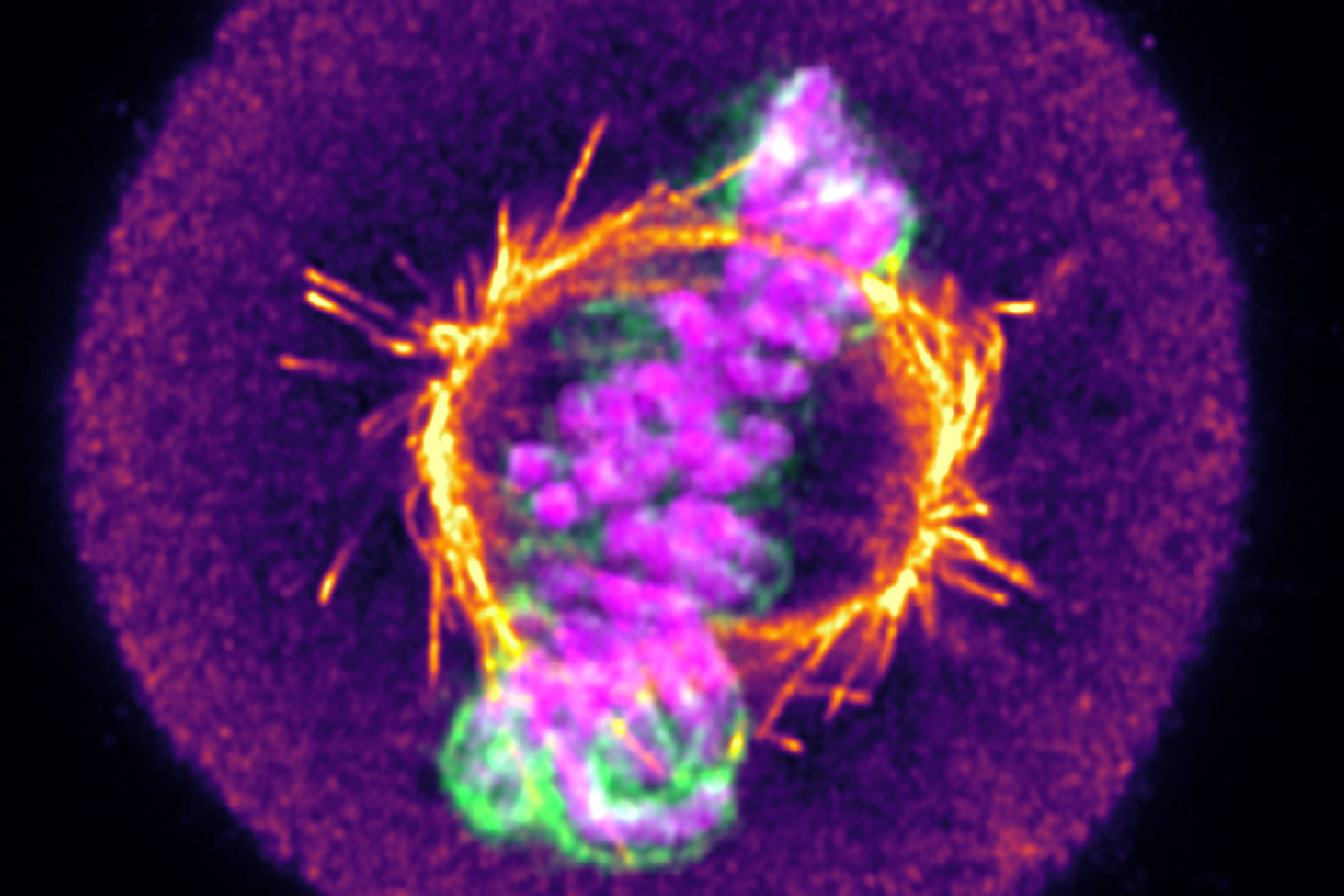
From mitochondrial networks that silently rebalance fusion and fission, to chromosomes that only reveal their fate in the minutes after division, live-cell imaging uncovers dynamics that static snapshots miss entirely. We explore three examples, including how tracking RNA therapeutic vehicles as they transit and escape endosomal compartments in real time resolves ambiguity that even super-resolution imaging of fixed cells can’t overcome.