
The aims of safety in the drug discovery process are to develop an effective new medicine which can be given to patients quickly and safely. Studies have shown that clinical development attrition rates are high. A study analysing over 7,000 development programs with nearly 10,000 clinical and regulatory phase transitions, reported <10% of them reach the market (all indications).
A key challenge in the drug development process is reducing this high attrition rate. Data have shown clinical failure at different stages of the project can be attributed to safety issues. Safety issues may stop the project, or dramatically slow the project down and increase the costs associated with it.
The ideal time to optimise the safety characteristics of novel compounds is in the early discovery phase which should be integrated with chemistry, biology, and DMPK. There are 3 key areas to consider; the safety risks associated with the drug target itself, the risks associated with the chemical space and patient safety.
Safety issues related to the primary target remain a major reason for drug project failure. Data from AstraZeneca have shown that up to 25% of discovery projects and up to 50% of early clinical phase studies were stopped for safety concerns with the primary target. Understanding of the target in normal physiology means it may be possible to anticipate potential toxicities, recognise the difference between ‘on’ and ‘off’ target toxicity, and may influence dose scheduling, route of administration or combination opportunities. It may also drive choices around selectivity and be instrumental in the decision on whether to pursue the drug lead.
Various in silico approaches can investigate chemical related toxicity or risks relating to the liabilities other than those of the target, that might limit an efficacious dose range. Key liabilities can be assessed with in vitro safety screens, secondary pharmacology screens, or investigation on the genotoxicity of the primary compound, for example. Bespoke investigational studies can identify potential safety issues early on and potentially eliminated through the molecule design. The key message for safety endpoints is they are implemented to help increase the quality of the compound that enters the clinic.
The final area of interest is patient safety where an informed risk assessment can be made. This should be based on patient demographics, risk/benefit profile, patient age, and comorbidities, type of illness i.e. a severe life-threatening illness or short-term illness such as an infection and the dosing schedule i.e. short-term dosing or lifelong dosing. Understanding the patient need in the early phase of development allows the qualities of the compound to be refined
Safety in the drug discovery process is more about defining the right question and using this to guide the right experiment to derive data that allows a compound to be developed, with the greatest chance of long-term success.

Richard Knight is a director and co-founder of ApconiX, a company providing nonclinical safety consultancy and ion channel laboratory services, based at Alderley Park. Prior to starting ApconiX in 2015, he was senior director in Safety Assessment at AstraZeneca with more than 25 years of project experience. Richard has worked across multiple therapy areas involving small molecules, biologics, proteins and oligonucleotides and been involved in bringing over 35 new candidate drugs into clinical trials as well as 6 to market.
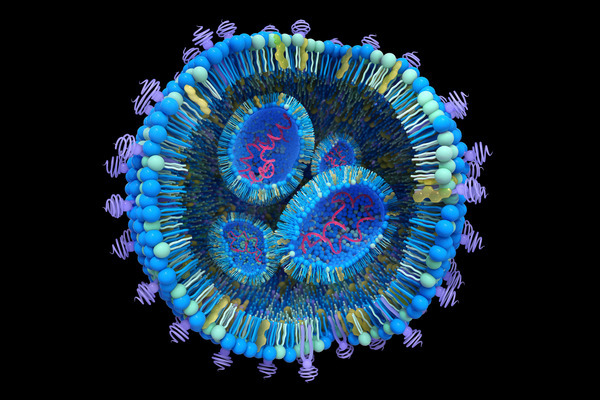
How to study the endosomal escape of RNA therapeutics
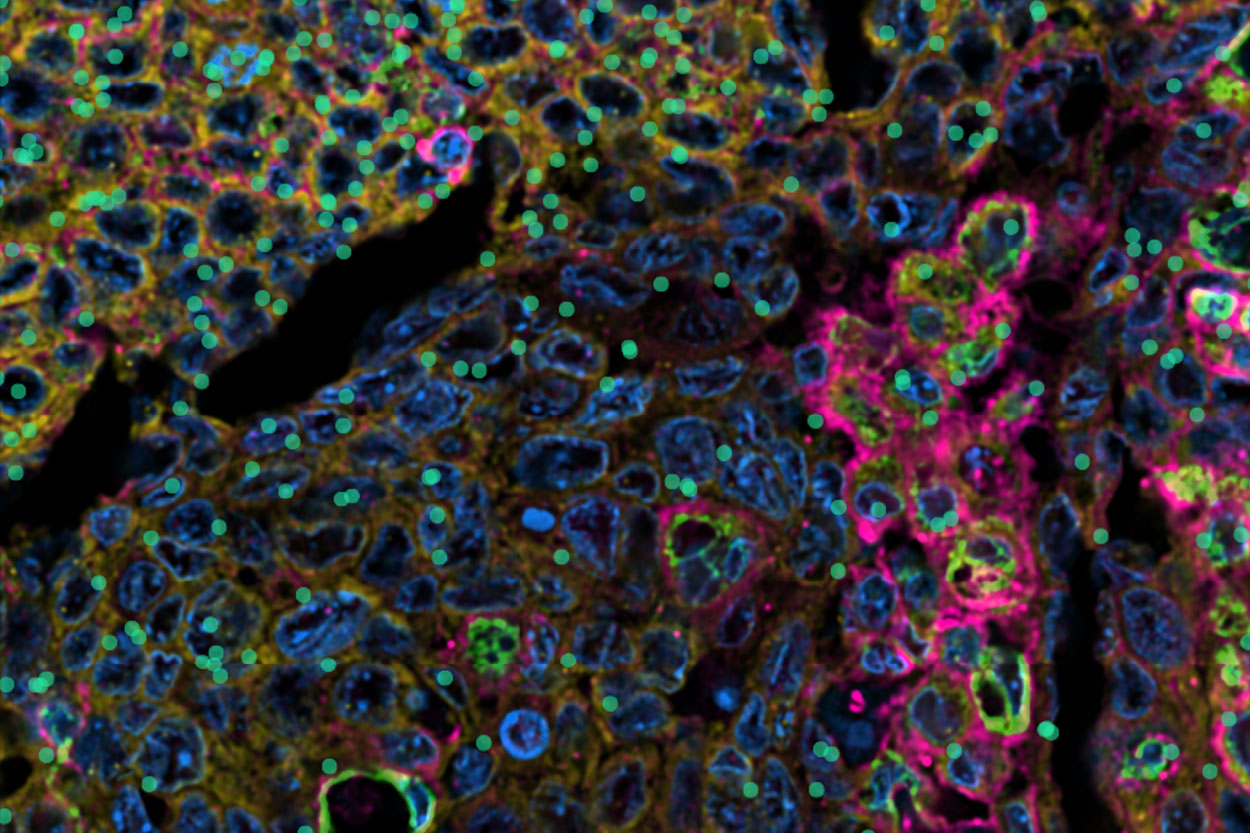
Xenium at MDC Case Study: Hypoxia in Head and Neck Cancer
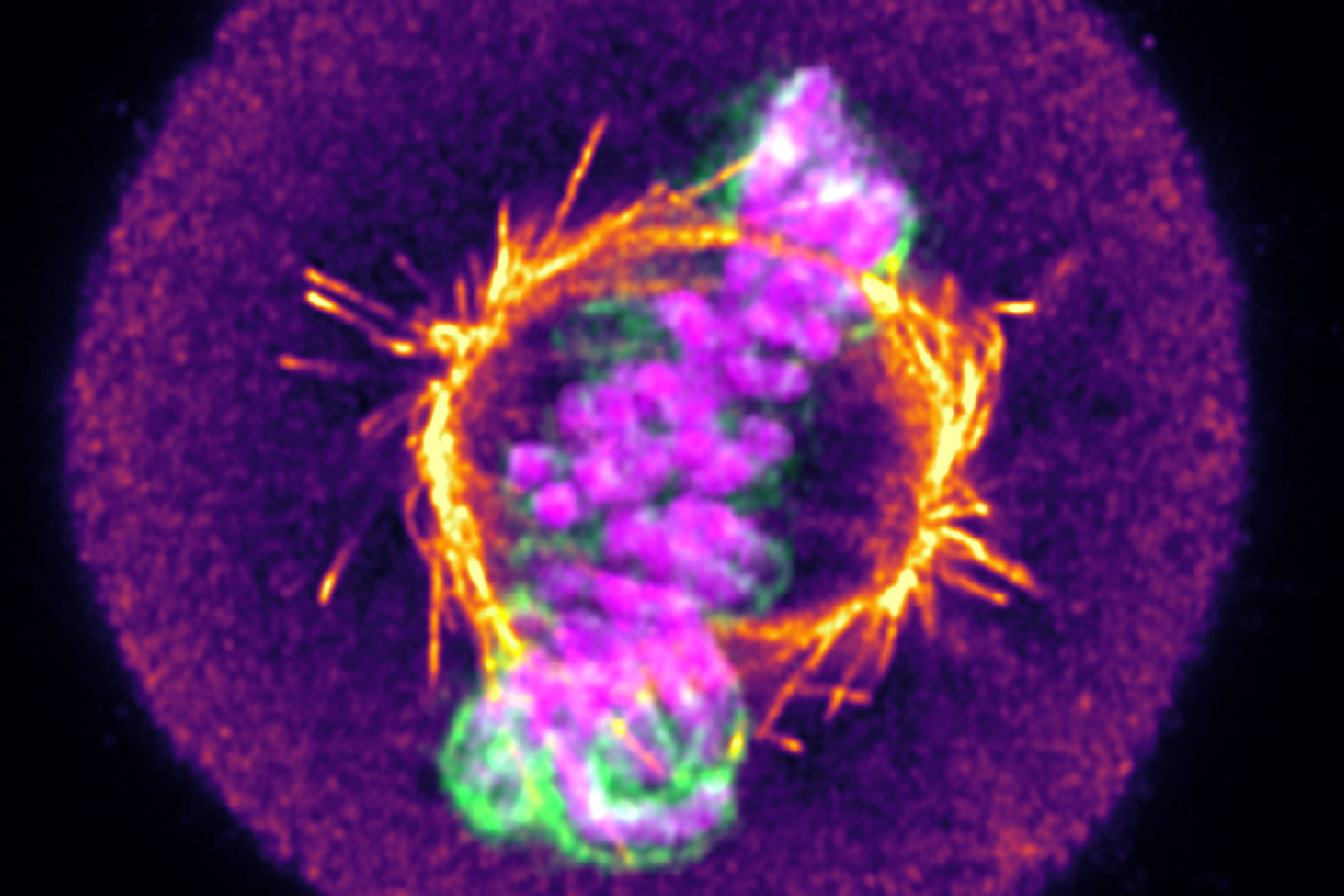
From mitochondrial networks that silently rebalance fusion and fission, to chromosomes that only reveal their fate in the minutes after division, live-cell imaging uncovers dynamics that static snapshots miss entirely. We explore three examples, including how tracking RNA therapeutic vehicles as they transit and escape endosomal compartments in real time resolves ambiguity that even super-resolution imaging of fixed cells can’t overcome.