I work in the Cheminformatics Team lead by Andrew Pannifer. We take large chemical databases and apply data science to them to answer questions about drug-design.
Currently, I’m working on an exciting project with clinical trials and patent data as part of a new grant application.
My background is in the Life Sciences industry, covering mostly structural chemistry and structural biology along with the understanding of chemical and structural activity; I trained as a structural chemist.
I haven’t been at MDC very long, since August 2019, but before this, I worked as a software developer. Now I can use both skill sets while developing new ones to support the SME community. I am always learning new things, not just about programming, but also science and medicinal chemistry; it’s a joy!
I like to combine programming and chemistry: it is a good intellectual challenge. Writing code is a sought-after skill and I wanted to apply it for solving scientific problems that I am interested in.
I was particularly attracted to the Cheminformatics and software development side. My role in Cheminformatics requires both a thorough understanding of chemistry and, of course, the ability to do programming. Luckily, I have both of these skills which makes this job a perfect match for me.
At first, I had several reservations going into programming as it is perceived as a male-dominated field. However, I find that this is a perfect job for women scientists with good logical thinking but without much desire to deal with the physical part of working in the lab. Programming can also offer flexible working; your job can be done anywhere as long as you have a computer.
I am happy about having contributed a few crystal structures to the Protein Data Bank. Now, I am enjoying participating in the analysis on top of providing the data.
I enjoy cooking, reading and watching plenty of movies. My most recent discovery was Neil Gaiman, I like how he mixes reality with fantasy elements in his books.
Because I enjoy reading, I’m excited about MDC’s book exchange. A great chance to get to discover some new writers!
I always look forward to going back home to Budapest for the holidays to meet family and friends, see a play in a theatre, and have some poppy seed pastry rolls.
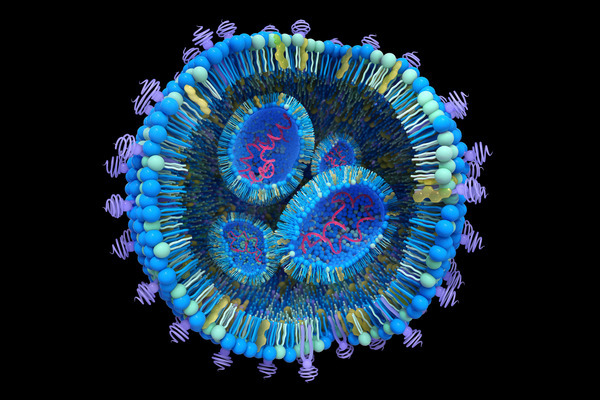
How to study the endosomal escape of RNA therapeutics
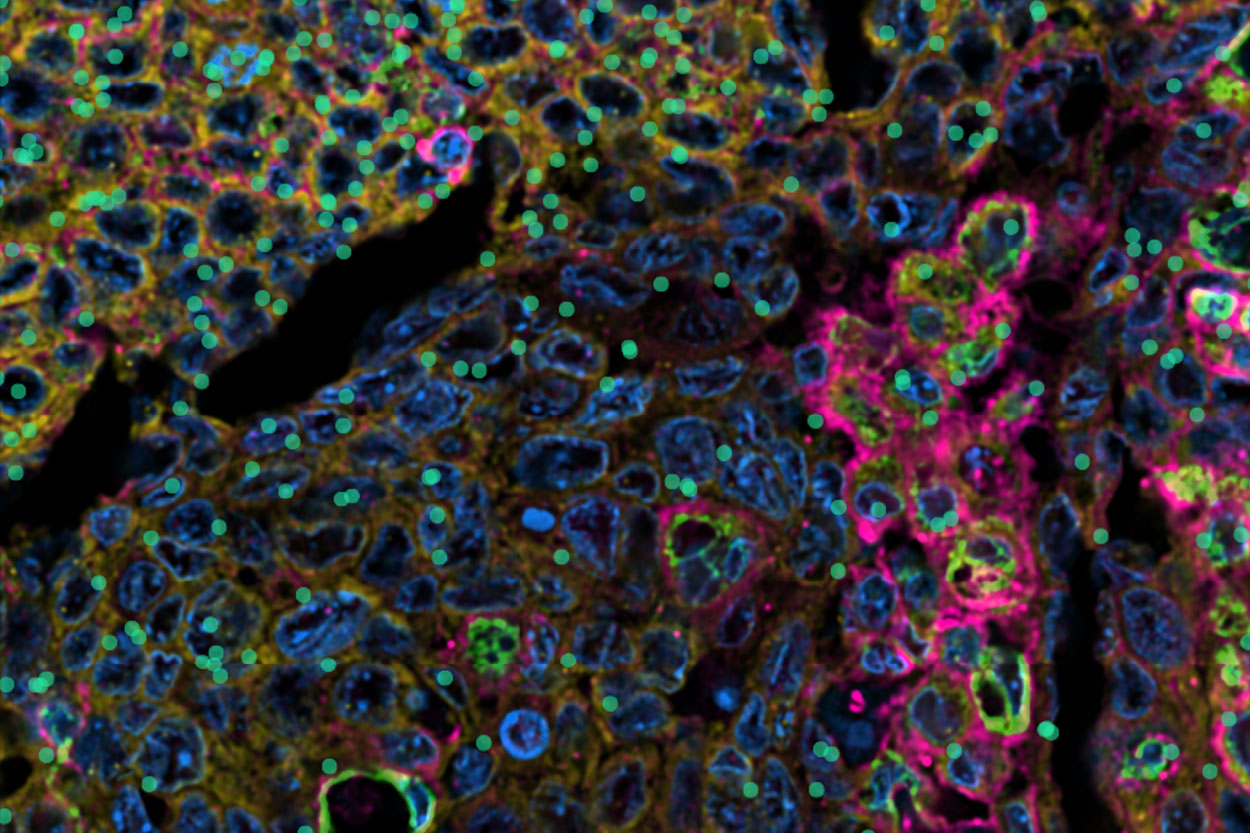
Xenium at MDC Case Study: Hypoxia in Head and Neck Cancer
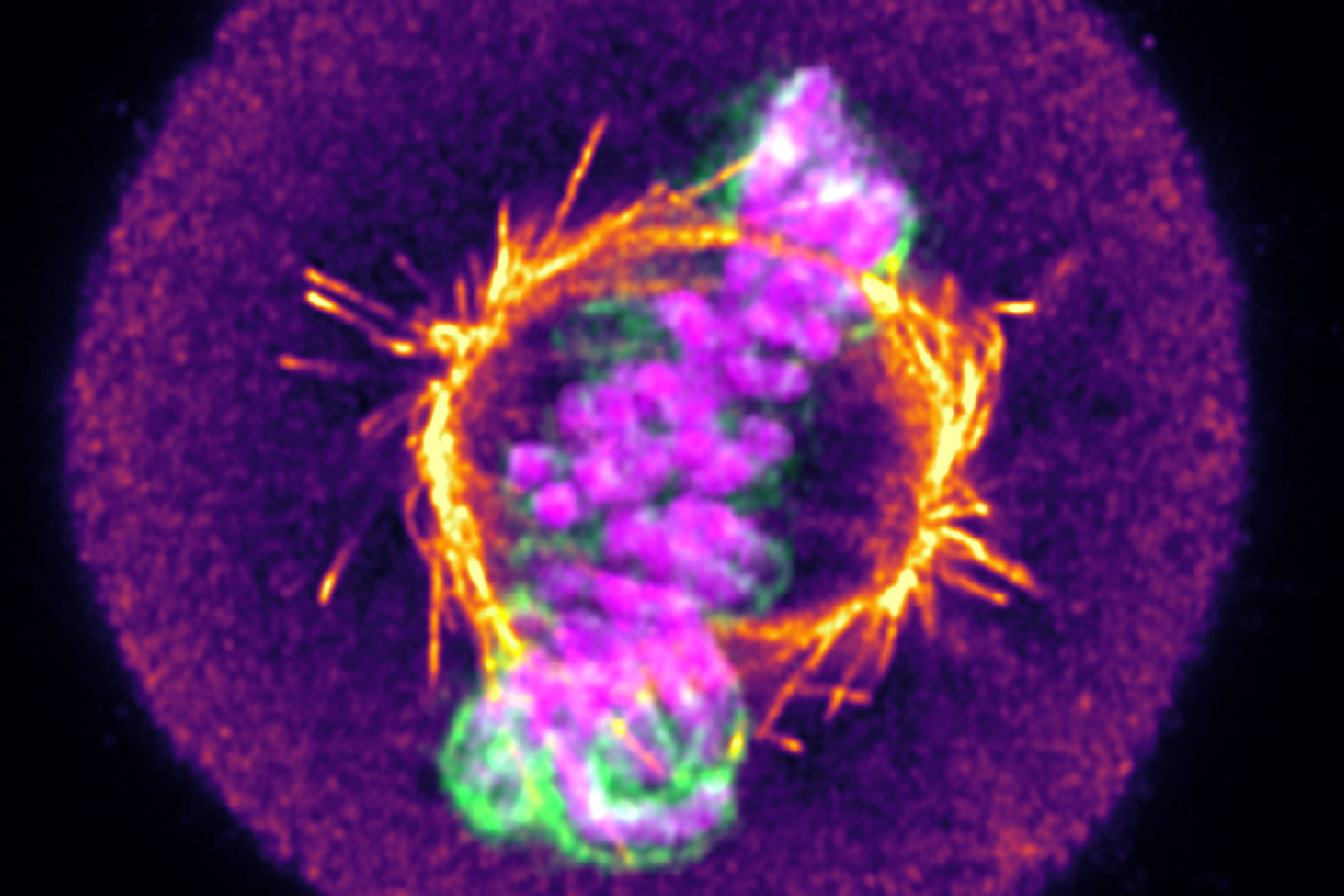
From mitochondrial networks that silently rebalance fusion and fission, to chromosomes that only reveal their fate in the minutes after division, live-cell imaging uncovers dynamics that static snapshots miss entirely. We explore three examples, including how tracking RNA therapeutic vehicles as they transit and escape endosomal compartments in real time resolves ambiguity that even super-resolution imaging of fixed cells can’t overcome.